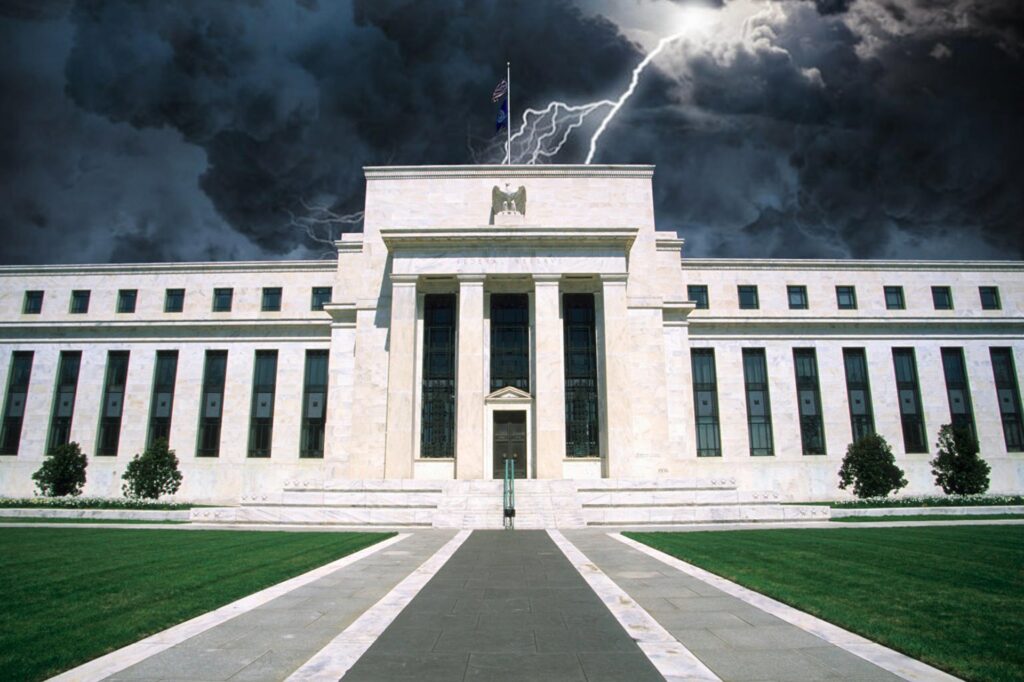
Reuters is reporting that a FOIA request they made to the US Federal Reserve for documents that would reveal the types of Covid-beneficial trades that our elected politicians and appointed experts have been engaged in has been summarily and fully and completely and finally DENIED.
That’s right, folks, we the American people and the ‘free press’ have no right to know just how the ones who have been orchestrating our Covid culture for the last two years may have or may not have benefited by the decisions they made that had such profound effects on hundreds of millions of the human beings they allege to be serving, most of which have been resoundingly negative.
While children have seen their lives upended and turned into mask ghost life floating on zoom calls, our politicians and experts have had free rein to trade in our markets as they saw fit, with no accountability, and with immunity from insider trading laws. The wealth shift in America has been astounding, and it happened under the so-called party of the poor, the Democrat Party. But that party has morphed into an elite club of mad billionaires who want to live forever and float around space from their giant enormity, lording it over the very poors the DNC once alleged to champion.
We have become their experiment in the religion of elite man makes poor man in his image and purges the unmakeable from the frame. This is the reality of power when the advantaged attain what I call Citadelian status, where they exist outside the socio-cultural consequences of action the vast majority of us find ourselves facing. These consequences are the result, mostly, of the opportunistic power-advantaged exapting any popular outrage ideology into a social control device designed to eliminate future competition to the power the advantaged currently hold.
From Christianity to Islam, from Confucianism to Buddhism, from every philosophical, theological, economical, scientific thought that gained an audience, the power-advantaged were ready to exapt the patterns from serving the cause to exploiting, commodifying, ‘tweaking’ the original code, preserving the language and the emotions, but creating new outcomes, outcomes designed to serve the very people that created the outrage from which the original ideas emerged in the first place.
The bible verse, Isiah 30:18 constantly comes to mind, and I will continue to repeat it wherever I see it lived out again.
As for the scoundrel, his devices are evil; he plans wicked schemes to ruin the poor with lying words even when the plea of the needy is right.
Don’t expect our masters to expose the gosh derned business just yet, folks, but, nice try Reuters. Maybe your masters have realized their team may have gone too far, and there will be heck to pay when the inevitable happens and the truth of the colonization of the American lands in the Covid culture of the DNC using fear and hate to create just enough compliant, just enough willing to enforce the ‘new normal,’ which was, and is, nothing short of doing anything possible to dismantle the American culture of the Bill of Rights, where, no matter the vote or the good intentions, the state cannot violate the basic sovereignty of the individual, from which its fundamental authority and legitimacy is derived.
We are not a nation of priest-kings and gnostic-like shamans with gossamer-winged languages to mesmerize us to complacency. Our ploughmen know the Bill of Rights code and, so far, that spirit does not appear to have died in the majority of Americans, across all the divides the DNC would have you zealously fixate your whole heart and mind upon, as if your very life were nothing in comparison to ending hate once and for all, ending history, ending god and entering man, in total, in everything, in full equality, in ecstasy of union……etc……That spirit has names that go back thousands of years, with Balaam perhaps being the most often used, the spirit of sacrifice, where the new and the old are sacrificed to the now, the disciples of the social where human becomes all in all by all for all, and all non-human is purged from the living.
The ecstasy of the left was protected today by the Federal Reserve, for now, but lies beget lies beget enemies beget secret recordings, etc, etc, etc….It’s only a matter of time before Haman learns why he ordered the gallows made in the first place. Hint, it wasn’t for who he thought it was for.
Fed denies release of correspondence on pandemic trades made by policymakers
From www.reuters.com
2022-02-09 11:38:00
Excerpt:
Feb 9 (Reuters) – The U.S. Federal Reserve, responding to a Freedom of Information Act request by Reuters, said there are about 60 pages of correspondence between its ethics officials and policymakers regarding financial transactions conducted during the pandemic year 2020.
But it “denied in full” to release the documents, citing exemptions under the information act that it said applied in this case.
The disclosure of trading by two regional reserve bank presidents during the pandemic led them to resign last fall, and prompted Fed chair Jerome Powell to overhaul Fed ethics rules and request the central bank’s inspector general to investigate.
The FOIA responses to Reuters for the first time quantify how much back and forth may have occurred over policymakers’ personal trading in a year when markets first cratered, then rebounded on the basis of both massive federal fiscal stimulus and an aggressive rescue effort by the…
Read Full Article