August 26, 2026

Global Outlook

The New Face of Warfare: Democratized Military Capabilities


Disclaimer: Although The Freedomist is dedicated to the notion of a free and open press, there are realities that we must negotiate in our coverage. This article is one of those cases. Herein, we will be discussing very controversial subjects – more so than in our regular articles – and we must acknowledge here, that we are deliberately leaving out some information for, frankly, legal concerns. While we are steadfastly in favor of our Readers being fully prepared for any instance or circumstance, we cannot help in that if we face crushing legal action. That is the reality of the world of 2024. “YOU are your own ‘first responder’.”


In the dense jungles of Myanmar, formerly known as Burma, a revolution is unfolding. But this isn’t just a political uprising – it’s a testament to a global shift in the nature of warfare itself. The conflict in Myanmar exemplifies a broader trend: the democratization of military-grade capabilities. This phenomenon is reshaping conflicts worldwide, from the streets of Syria to the arid landscapes of North Africa.


The 3D-Printed Revolution

Factions of the Myanmar resistance movements have embraced technology in ways that would have been unimaginable just a decade ago. Anti-government rebels are using 3D printers to manufacture both components for weapons and drones, as well as complete firearms. This isn’t unique to Myanmar; across the globe, additive manufacturing is putting military-grade capabilities into the hands of non-state actors.

While the first 3D printed firearm, the “Liberator” developed by Defense Distributed of Austin, TX, in 2013 – was a crude, single-shot weapon created more as a protest against government overreach than as a practical weapons, that has now changed drastically. Internet based, open-source, online collaboration in real time allowed people around the world to rapidly develop and prototype ideas and leverage existing technologies…resulting in usable weapons that can be produced in a person’s garage, which requires minimal skill to complete.

The release of the FGC-9  in 2018-2019 radically reshaped the field, allowing the creation of a combat-capable weapon. The FGC-9, designed by Jacob Duygu, a Kurdish German gun designer (known on the internet as “JStark1809“, who died under questionable circumstances following a raid on his home by German police in 2021), is technically a “pistol caliber carbine” (or, “PCC”) that is one hundred percent 3D printed, down to the barrel and the bolt. The FGC-9 is now “combat proven” in Myanmar, with the weapons mostly being built in “guerrilla factories” across the border in Thailand, and smuggled into the fighting areas.


A photo of FGC-9 firearm unassembled components, 2020. Photo credit: JStark1809/Deterrence Dispensed. CCA/4.0


The fundamental difference between the FGC-9 and other “garage guns“, such as the WW2 STEN Gun or the weapons designs of Philip Luty in the 1990’s is that a person trying to build these weapons still needs at least minimal machine tooling and metal stock. In contrast, the FGC-9 needs plastic and powder-metal media, and a 3D printer capable of both running the required programs and curing the injected or sintered material, making it drastically harder to identify and control the flow of raw materials to guerrilla factories.

Likewise, if one looks around the internet hard enough, plans for heavier support weapons – everything from mortars and rocket-propelled grenades (RPGs), up to surface-to-air missiles – can be found. We will not list those particular sources here, for two reasons: first, because of legal liability, and second, because that information should be available to those needing it – such as the rebels battling a brutal dictatorship in Myanmar – because the balance of the potential good outweighs the potential for evil: “bad actors” will find a way to commit violent acts no matter what impotent, even if well-intentioned, laws prohibiting the ownership of inanimate objects are passed.

And it is not just the weapons themselves that are being printed. The manufacture of ammunition via a 3D printing application of laser sintering technology is now capable of producing not simply projectiles (i.e., bullets), but producing propellant. While still in the early stages of development, this eliminates two of the four components required to manufacture conventional ammunition, leaving only the case and ignition primer needing manufacture.

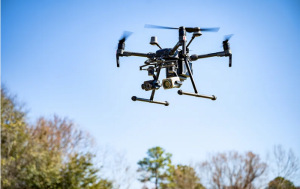
And then, we come to drones. While drone warfare is definitely not the overwhelming and decisive factor that it has been made out to be over the last decade, it does offer some significant benefits to non-governmental forces. Drones selling for less than US$100 on Amazon are capable of conducting missions ranging from aerial reconnaissance to combat target servicing, whether by dropping explosives onto a target, or by crashing into a target such as a battle tank, like a latter-day Japanese kamikaze plane. Likewise, drone parts kits are available to build much larger drones, capable of carrying much heavier payloads.


Greenville, NC Police department’s DJI Matrice drone. 2022. Photo by Greenville Police Department. CC0/1.0 Public Domain.


The implications heralded by the combat deployment and use of the FGC-9, on top of the repurposing of civilian drone copters for combat, are profound. State monopolies on military hardware are eroding, and with them, long-held assumptions about the balance of power in conflicts.


From Homebrewed Tanks & Artillery To Navies & Air Forces

The democratization of military capabilities isn’t limited to high-tech solutions. Since the 1980’s, pickup trucks converted into mobile fighting platforms—often dubbed “technicals”—have become ubiquitous in small-scale conflicts. These improvised fighting vehicles represent a low-tech but highly effective form of military innovation.

In Syria, this concept has been taken to new extremes. Civilian defense groups of all factions have constructed homemade armored vehicles, resembling mini-tanks, using salvaged materials and ingenious engineering. These vehicles, while not a match for modern main battle tanks (even when armed with ATGM’s), have proven surprisingly effective in urban combat scenarios. Of course, the use of these “technicals“, even if only otherwise standard pickup trucks fitted with machine guns in their beds, provides a low-tech group with a fast-moving force that can swiftly achieve spectacular results, given the right conditions.

But combat vehicles are not limited to armed pickup trucks. Returning to Syria, various forces in the mid-2010’s began building so-called “Hell Cannons“. These improvised artillery pieces fired homemade projectiles made from large propane canisters, capable of packing an impressive payload of explosives. While slow to load and not particularly accurate, these weapons are capable of inflicting significant damage on any area where their shells land. And, if fired as a battery, they can somewhat mitigate their slow reloading speed, as these weapons are almost always mounted on trailers, allowing them to be swiftly displaced and re-positioned.


“Hell Cannon” in Syria, 2014. CC0/1.0 Public Domain.


Similarly, there has been a maturing of “improvised navies“. Beginning, in the modern era, with the “Tamil Tigers” extensive use of smallcraft, as well as leveraging civilian freighters as mobile sea bases, many navies – notably that of Iran – have embraced the widespread use of small, high-speed boats to both attack larger civilian vessels, but also to execute the normal range of of uses for such vessels, such as inshore patrol and policing (in small, poor nations), guerrilla supply along inshore and riverine areas, and the insertion of small teams of combat troops – much like large-state special forces – into remote areas to avoid interception. This has occasionally escalated to actual, theater-level amphibious campaigns.

In the America’s, “narco submarines” have been a continual headache for police and naval forces in several countries. While these vessels (most are not really ‘submarines‘…but some are) are not known to be used for covert insertions, they certainly can be. For the moment, however, the United States seems to still be blessed with the rule from before the 9/11 Attacks, that most of the terrorist and guerrilla groups in the world refrained from attacking targets inside the United States, as most of their funding came from ex-patriot donations from their communities of immigrants and refugees living here.


Crew of the Coast Guard cutter Stratton interdicting semi-submersible vessel on July 18 2015. USCG photo bu PO2 LaNola Stone. Public Domain.


But there is also a little talked about element: “DIY Air Forces“. Increasingly, in addition to drones, well-funded insurgent groups are leveraging lightweight civilian aircraft, including autogyros. While the legions of internet flag officers around the world laughed at the Communist Chinese idea of deploying autogyros for lightweight air assault…but, after the Hamas offensive that began on October 7th of 2023, only the truly stupid still laugh, as Hamas deployed airborne raiders (against, being fair, a group of unarmed teens and 20-somethings at a rave) via paragliders, which are essentially a parachute driven by a large fan worn by the user.

Technology is advancing, and the once-fanciful shticks used as stunts in movies from the 1960’s to the 1990’s, are no longer fantasy, but hard, capable combat systems that are affordable – and acquirable – by virtually anyone.


Training, Command, and Combat Control in the Digital Age

Perhaps one of the most striking examples of democratized military capabilities comes from recent conflicts, where non-state actors have rapidly established sophisticated command and control systems using off-the-shelf technology.

In the terrorist assault on the Indian city of Mumbai in 2008, the Lashkar-e-Taiba attacker’s command group repurposed a commercial office as an improvised command center, and did so at short notice. Equipped with consumer-grade computers, open-source mapping software, and encrypted messaging apps, they coordinated dispersed, complex operations, including verifying assassination targets in real time, using Google to match pictures of victims to their names and titles via facial recognition technologies, with an efficiency that rivaled traditional military and police command structures.

More and more, new desktop software and smartphone-based apps are offering armed non-governmental actors the ability to use many of the same tools as far better funded national armed forces. These tools run the gamut, from translation apps to 3D mapping and planning tools that, hwiler perhaps not exactly ‘military spec’, are certainly ‘good enough’; in some cases, regular national forces use many of these same programs and apps, because the civilian developers simply build better tools.

But there is a deeper question: How are “rag-tag guerrillas” acquiring the training necessary to conduct these operations?

In the ‘old days’, this was mostly done via trial and error or via some group of experienced advisors, either from the national military, or from a ‘friendly’ foreign power; occasionally, desperate but well-funded groups would hire foreign mercenaries to train and lead their “popular liberation forces” in the field…But today, those blocked or otherwise unable to attend formal military training courses have an alternate: finding military training manuals online.

There are literally dozens of archival repositories scattered throughout the internet, loaded with declassified or never-classified military manuals from dozens of nations. These are frequently the current editions of manuals on a given subject. It is important to note that this is no substitute for a measured, supervised course of instruction. Leaders – especially military leaders – are not created overnight. However…in an environment where military leadership is suddenly needed, those individuals who see themselves as filling that role, can now tweeze out at least a reasonable series of academic learning.

But what about actual “field training“?

In previous decades of the late-20th Century, civilians attempting to provide themselves with military training usually resorted, to be frank, to the old children’s game pf “Army”, shouting “BANG!” at each other with rifles; in this, they were not too different from pre-World War 2 training, at least in the United States. The US military, obviously, radically reformed its training regimen after that war, to make its troops far better prepared for the next go-round.

Today, however, the increasing popularity of “combat games” such as AirSoft (or the older paintball) offer a facsimile of military training – neither as good, nor as consistent as a regular force – that is still sufficient to offer much more than a “first step”.


The Global Implications of Military-Sphere Democratization

The democratization of military capabilities is redrawing the maps of global power and conflict. Small nations and non-state actors now have access to capabilities once reserved solely to major powers and their proxies. This shift is forcing a reevaluation of traditional military doctrines and international relations:


  1. Asymmetric Warfare Evolved: The line between state and non-state military capabilities is blurring, making conflicts more unpredictable and potentially more protracted.
  2. Proliferation Challenges: Traditional arms control measures are struggling to adapt to a world where military capabilities can be ‘printed’ or improvised.
  3. Ethics and Legality: The ease of accessing military capabilities raises complex ethical and legal questions about the conduct of war and the definition of combatants.
  4. Innovation Acceleration: The decentralized nature of these developments is driving rapid innovation, often outpacing traditional military R&D cycles.
  5. Global Security Landscape: As capabilities proliferate, the potential for conflict may increase, but so too might the barriers to large-scale war.


A Look Ahead

In this new landscape, the international community faces tough questions. How does the world manage the proliferation of military capabilities in an age of digital sharing and additive manufacture? Can international laws and norms adapt quickly enough to address these changes?

The democratization of military capabilities is not just changing how wars are fought; it’s changing who can fight them effectively and why they’re fought in the first place. As technology continues to evolve, so too will the face of warfare. The challenge for the global community is to navigate this new reality, seeking ways to harness its potential for defense and deterrence while mitigating its risks. The reality, however, is that the result of both the widespread dissemination of information, matched to blockchain technology, virtual private networks (VPNs), and additive manufacture, make controlling the flow of information virtually impossible.

In the jungles of Myanmar, the deserts of Syria, and countless other corners of the globe, the future of conflict is being written not just by states and their armies, but by individuals armed with ingenuity, determination, and increasingly, the tools to challenge traditional power structures. The world must take notice and adapt, for the genie of democratized military capability cannot be put back in the bottle.

At the same time, these tools are just that – tools. Tools are inanimate objects, and because of this, they have no independent intent. Tools are used for both good and evil actions, and those with the intent determine the direction and tone of the use of those tools – no matter where those tools are directed.


The Freedomist — Keeping Watch, So You Don’t Have To
The Final Frontier of Combat Operations: The Escalating Militarization of Space


Beginnings

As humanity’s presence in space grows, so too does the potential for conflict. The militarization of space – “space war”, if one prefers – was once the realm of science fiction, but is rapidly becoming a reality that promises to reshape global security dynamics in the 21st century.

The concept of space as a military domain is not new. Since the launch of Sputnik in 1957, nations have recognized the strategic importance of space. Early military applications focused on reconnaissance and communication satellites, which have played crucial roles during the Cold War, and the wars of the 21st century. However, recent years have seen a dramatic acceleration in the development and deployment of military space capabilities.


Confrontation In Space

As far back as 1981, author G. Harry Stine, one of the founders of model rocketry in the United States, and a notable author of hard science and technology writings, as well as science fiction, laid down the basics of warfare in space in his book “Confrontation In Space“, defining the basic shape and dimensions of the battlespace, the most likely weapons that will be used, and outlining the early concepts of how combat in space would be waged.

There is no science fiction in this book, and no technobabble, just the hard realities of applying warfare “in the Black”, to reference a certain TV show, to the real world. Given the general nature of some of the space-war musings of the time that have since been declassified by official sources, Stine is a refreshingly sane and soberingly realistic voice.

The extent to which Stine’s work has influenced modern space battle planning is open to question; it should be a fundamental text, but given the current mission statement of the United States Space Force (USSF), that seems unlikely.

Today, the major players in space militarization are the United States, China, and Russia, with other nations like India and Japan also expanding their capabilities. These countries are investing heavily in a wide range of space-based military technologies. The United States, however, long one of the main innovators of space exploration, only established the USSF in 2019 as a separate branch of its armed forces, signaling the growing importance of space in military doctrine.

Current military space capabilities go far beyond simple reconnaissance. They include the creation and servicing of advanced communication networks (which underpins the basic operation of the internet), precision navigation systems like GPS and early warning systems to detect ballistic missile launches. However, in recent years, China, Russia, and the United States have all demonstrated anti-satellite (ASAT) weapons capabilities, raising fears about the vulnerability of critical space infrastructure, demonstrating the ability of national actors to destroy satellites at will.


An artist’s illustration of the Soviet-era Istrebitel Sputnikov ASAT system, c.1986. US Government image. Public Domain.


Technological advancements are driving this new space race. The miniaturization of satellites has made it easier and cheaper to launch large constellations of small satellites, enhancing resilience and coverage, as well as opening the potential for true “surge capacity”, to rapidly launch replacement satellites to replace combat losses. In addition to rapid reconstitution of a damaged communications network, the need to replace combat-lost GPS satellites is a key function of satellite surge capacity, because most military vehicle and targeting systems rely on GPS for navigation in addition to combat. Reusable launch vehicles, pioneered by companies like Elon Musk’s SpaceX, have dramatically reduced the cost of accessing space, which has lowered the barrier to entry for military space programs.


Throwing Rocks

Fundamental to actual warfare in space is the development of dedicated weapons for use in the theater. While actual weapons have been fired in space, these weapons go far beyond lasers, high-powered microwave systems, or even the darling of recent science fiction shows, the “particle accelerator“. In fact, the most lethal weapons in space will likely be rocks: “mass drivers“, essentially an electromagnetic catapult, can accelerate iron-rich space rocks (as small as pebbles) to very high velocities, far faster than conventional bullets or cannon rounds. A hit from a very high-speed projectile of any nature could be a catastrophic damage source to any spacecraft, as current launch systems severely limit the weight of spacecraft, which in turn limits the amount of armor a vessel can carry, assuming that current armor would even be effective. While still largely theoretical, such weapons could revolutionize space warfare, and require careful thought and planning to employ.

In response to these emerging threats, nations are working to develop countermeasures and defensive strategies; most of these, it much be noted, are ‘passive’ in nature, as active countermeasures are currently ill defined. The strategies currently in development include hardening satellites against attacks, improving space situational awareness to detect threats, and developing rapid launch capabilities to quickly replace damaged or destroyed satellites.


Bright Light Boom

There is also the possibility – perhaps “likelihood” – that someone will eventually detonate a nuclear weapon as part of an actual battle in space. The main considerations in using these weapons in space begin with exactly where they are detonated. If a large enough warhead were detonated at a suitable altitude above the surface, it could – in theory – generate an electromagnetic pulse (EMP) sufficient to overload and shutdown, if not outright destroy, any large-scale power grid. This phenomenon was first recognized in 1962 during the Starfish Prime test, when an unexpected EMP wave from the detonation knocked out power to parts of the city of Honolulu, Hawaii.


Photo of the Starfish Prime detonation in the skies over Honolulu, Hawaii, 1962. US Government photo. Public Domain.


Aside from the well-known, at least in a broad sense, radiation effects (which would likely be magnified in space, without an atmosphere to absorb them) and EMP concerns, the main damage-causing mechanism of a nuclear blast on Earth – blast effect, caused by the compression of the atmosphere by the detonation wave – would not be present, as there is no atmosphere in space that can be compressed into a destructive force.

For all that, however, work on “bomb-pumped lasers” and other exotic warhead designs such as Project Casaba-Howitzer (which used a nuclear weapon to create a shaped charge from material vaporized into plasma by the blast), largely came an end – at least publicly – at the end of the 1980’s, as it was clear that the Soviet Union was dying, and that the prospect of all-out nuclear war had rapidly begun to fade.


Pulse propulsion unit of project Orion vehicle, used as the basis for the Casaba-Howitzer warhead concept, 1964. NASA image. Public Domain.


As the possibility of actual open warfare in space continues to rear its head, it is a near-certainty that many of these old programs are being reexamined, using fresh data and better computer modeling…The possible side effects, however, remain.


Combat Logistics in Space Warfare

One of the most challenging aspects of space militarization is the issue of combat logistics. Unlike terrestrial warfare, where supply lines can be established and maintained relatively easily, space presents unique challenges for sustaining military operations.

The primary hurdle is the enormous energy requirement to launch materials into orbit. Every kilogram of supplies, whether fuel, ammunition, or replacement parts, comes with a very high price tag (over $2,000 per kilogram) and significant challenges to logistical load planning, in both loading and unloading at point of delivery. This makes traditional resupply methods impractical for sustained operations in-theater, as we understand the idea.

To address these issue, military planners are exploring several approaches. One concept is the development of in-orbit refueling capabilities. This would involve specialized “tanker” satellites capable of transferring fuel to other spacecraft, extending their operational lifespan and maneuverability.


A contour plot (not drawn to scale) of the effective potential of a two-body system, showing the 5 Lagrange points. NASA image. Public Domain.


Another area of focus is in-space manufacturing. Advanced 3D printing technologies – currently capable of making conventional ammunition-using select-fire weapons a factor in infantry combat – could allow for the production of spare parts or even small satellites directly in orbit, reducing the need for launches from Earth. Different avenues of research are exploring the possibility of mining asteroids or the Moon for resources, which could provide a sustainable source of materials and fuel for space-based operations.

Robotic servicing missions represent another potential tool in the box. These would involve unmanned spacecraft under direct, if remote, control, or completely autonomous systems guided by artificial intelligence, which would be capable of repairing, refueling, or upgrading other satellites or spacecraft, potentially extending their useful life and reducing the need for replacement of complete craft.

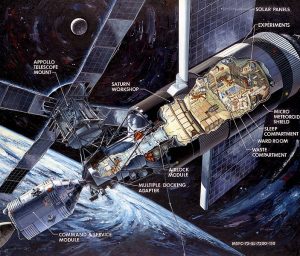
The concept of staging pre-positioned orbital depots is also being considered. These would be stockpiles of fuel, spare parts, and other critical supplies placed in strategic orbits, such as the Lagrangian points, ready to support military space operations as needed. In form, these might take the form of the old Skylab design, as – being the size of a 3-bedroom house – the design could hold a significant amount of material.


Artist’s concept illustration of the Skylab with the Command/Service Module docked to the Multiple Docking Adapter. 1972. NASA photo.


These logistical challenges and their potential solutions will play a crucial role in shaping the nature of future space warfare. The side that can most effectively sustain its space-based capabilities may gain a significant strategic advantage in any potential conflict extending into the space domain.


The Future


The future of space militarization remains uncertain, but several scenarios seem plausible. One possibility is the outbreak of a limited conflict in space, perhaps involving the destruction of key military or civilian satellites. This could have cascading effects on terrestrial military operations and civilian infrastructure.

Another scenario envisions the deployment of space-based weapons capable of striking targets on Earth. While technically challenging and currently prohibited by international treaty, such systems could offer significant strategic advantages.

A third possibility is the integration of space-based capabilities with terrestrial, air, and naval forces to create a seamless, multi-domain military force. This could enhance military effectiveness but also increase reliance on potentially vulnerable space assets.

As we look to the future, it’s clear that space will play an increasingly important role in military affairs. The challenge for the international community will be to balance the legitimate use of space for national security with the need to prevent a destabilizing arms race in orbit. Failure to do so could turn the final frontier into the next battlefield.


ADDITIONAL RESOURCES

  1. G. Harry Stine (1981), Confrontation in Space
  2. Julian Thompson (1994), Lifeblood of War: Logistics in Armed Conflict
  3. Thomas Ricks (2012), The Generals
  4. James F. Dunnigan (2003), How To Make War, 4th Edition
  5. James F. Dunnigan (1991), Shooting Blanks


The Freedomist — Keeping Watch, So You Don’t Have To
Israel, Hamas, Hezbollah, and Iran: Fiddling In The Fire


The period from 2020 onward has seen a significant escalation in tensions between Israel and its regional adversaries, primarily Iran and its proxy forces, Hezbollah and Hamas, as well as the more distant Houthi’s of Yemen. This complex web of conflicts and alliances has continued to shape the geopolitical landscape of the Middle East, and has significantly escalated tensions, to the point of a realistic chance for a much-expanded war.

The long-standing animosity between Israel and Islamic revolutionary Iran began to intensify in the early 2020’s. Iran’s nuclear program remained a central point of contention, with Israel consistently opposing any deal that would allow Iran to continue its nuclear development; this attempt at preventing nuclear proliferation, however integral to Israel’s security as it may be, is also highly unrealistic; the assassination of top Iranian nuclear scientist Mohsen Fakhrizadeh in November 2020, widely attributed to Israel, marked a significant escalation, as this differed from the Israeli Mossad’s previous assassination of Mahmoud Al-Mabhouh in Dubai, as the killing of Fakhrizadeh happened within Iran itself.

In this context, Israel is now accused of the assassination of Ismail Haniyeh, Hamas’ political head, who was killed in his hotel room on July 31st, in an apparent drone attack. This, too, occurred in Iran, but in the capital of Tehran itself. While Israel is unarguably at war, following the Hamas offensive of Oct. 7, 2023, an assassination such as this – known as a “decapitation strike” in military parlance – happening in a technically-neutral country (even given the events of April of 2024), is doing Israel no favors internationally.


The Biden administration has proven itself ineffectual with its diplomatic efforts, demonstrating both weakness and incoherence, to the point of encouraging the ambition of the Iranian ruling mullahs.

The election of hardliner Ebrahim Raisi (who was killed on May 19th, 2024 in a helicopter crash while returning from neighboring Azerbaijian) as Iran’s president in 2021 further complicated diplomatic efforts. Raisi’s administration took a more confrontational stance towards both Israel and the West, leading to increased concerns about regional stability.

Meanwhile, Hezbollah – the Iran-backed militant group that has controlled Lebanon’s southeastern Bekaa Valley since the mid-1980’s, remained a significant threat to Israel’s northern border. In 2020 and 2021, there were several minor skirmishes along the Israel-Lebanon border, though both sides managed to avoid a full-scale conflict.

Israel continued to conduct airstrikes in Syria, targeting what it claimed were Iranian weapons shipments to Hezbollah. These operations aimed to prevent the group from obtaining advanced missile systems that could threaten Israeli cities.

In 2022, tensions further escalated when Israel and Lebanon engaged in U.S.-mediated negotiations over their maritime border, which involved disputed gas fields. Hezbollah threatened to attack Israeli gas installations if an agreement wasn’t reached, leading to a tense standoff that was eventually resolved through diplomacy. Now, following a rocket attack on the Israeli Druze community of Majdal Shams on 27 July that killed a number of Druze children, Israel is at the point of invading southern Lebanon to try and attrit Hezbollah’s ability to strike into Israel, much as it attempted in 2006. In this, the ineffectual Lebanese government can offer no resistance against an invasion, or even an “incursion”, and calling on Muslim countries for aid could easily trigger a new civil war in the unstable and bankrupt nation.

In the south, the situation in Gaza remained volatile, with periodic flare-ups of violence between Israel and Hamas, which has retained power in Gaza since 2006, when Hamas won Gaza’s first election – then made sure that no other elections occurred to challenge its grip on power. In May 2021, a significant escalation occurred when Hamas and other militant groups in Gaza fired thousands of rockets at Israel. Israel responded with extensive airstrikes on Gaza, resulting in a 11-day conflict that caused substantial casualties and damage. The aftermath of this short conflict saw increased international pressure for a long-term solution to the Gaza situation. However, progress remained elusive, with Hamas maintaining its control over Gaza and continuing to clash with Israeli forces, which would escalate dramatically on October 7th of 2023.

In 2022 and 2023, there were several smaller-scale exchanges of fire between Gaza militants and Israel. These incidents, while not escalating to the level of the 2021 conflict, served to maintain a state of tension and uncertainty in the region.

The ongoing civil war in Syria that began in 2011, and the unstable situation in Lebanon have provided fertile ground for proxy conflicts involving Israel, Iran, and their respective allies. Israel continued its policy of preventing Iranian entrenchment in Syria through targeted airstrikes, while Iran sought to maintain and expand its influence in the region.

The Abraham Accords, negotiated by US President Donald Trump and signed in 2020, which normalized relations between Israel and several Arab states, altered the regional dynamics. This realignment put additional pressure on Iran and its allies, as Israel’s diplomatic and strategic position in the Middle East was greatly strengthened.

The conflict between these actors is increasingly playing out in the cyber domain. Both Israel and Iran have engaged in sophisticated cyber attacks against each other’s infrastructure, including attempts to disrupt nuclear facilities, water supplies, and electrical grids. For its own part, rumors persist that Israel was at least partly behind the deployment of the highly destructive STUXNET virus in 2010.


Covert operations, including assassinations and sabotage, have become more frequent – as with the assassination of Ismail Haniyeh noted above – as the conflict has evolved. These actions, carried out with only the thinnest veneer of “plausible deniability“, have served to maintain tension without triggering open warfare; that situation, however, may be coming to an end.

The United States remains heavily involved in the region – building on its rocky, 20 years “War on Terror” – by supporting Israel while also attempting to prevent a widening conflict. The Biden administration’s efforts to re-engage with Iran on the nuclear issue met with – being charitable – mixed success, complicated by regional tensions and domestic politics in both the U.S. and Iran, as well as its own failings in the disastrous end to United States adventurism in Afghanistan. The Biden-Harris administration has consistently demonstrated that it cannot make any sort of definitive decision, one way or another, on the diplomatic front.

Russia and China also play significant roles in the Levantine conflict, with Russia maintaining its presence in Syria and with China increasing its economic and diplomatic engagement with Iran. In both cases, Moscow and Beijing figuratively smell blood in the water, as they sense the weakness in NATO [https://en.wikipedia.org/wiki/NATO] as a whole, but also in the United States in particular, as the Biden-Harris team continues to flounder internationally.


The ongoing conflicts and tensions have had severe humanitarian consequences, particularly in Gaza and parts of Lebanon. International organizations repeatedly called for increased access to provide aid and for all parties to respect international humanitarian law. The ongoing war in Gaza following the October 7 massacre, as well as the Houthi strikes against Red Sea shipping, has only made the situation far worse, with Israel now resolved to end the Gaza question once and for all, leading to worsening violence and rhetoric directed against them in the West, with criticism coming from all sides, driving the Israeli mindset further into an “Us Alone Against The World” outlook.

As of early 2024, the situation remained tense and unpredictable. While full-scale war has been avoided so far, the risk of escalation into a much wider war – a war with the potential to draw in larger powers is increasingly possible. The interplay between Israel, Iran, Hezbollah, and Hamas continues to be a major driving factor in regional instability, with implications extending far beyond the Middle East. The international community is attempting to remain engaged, seeking ways to reduce tensions and prevent a larger conflict, but face significant challenges due to systemic internal problems facing Western nations, crushing demographic issues with Communist China, and Russia’s seemingly interminable war in Ukraine.


The Freedomist — Keeping Watch, So You Don’t Have To
The Militarization of the Poles: Future Warfare On The Frozen Frontier


Amid the ongoing chaos of in the world of 2024, other areas of military research and development continue apace. Despite nearly thirty years of warfare in the arid climates of the Middle east, as climate change reshapes the Arctic and Antarctic landscapes, these once-forbidding regions are being strenuously studied as new arenas for potential conflict. Polar warfare, long considered a niche aspect of military strategy, is now gaining prominence as nations vie for resources and strategic advantages in these harsh environments.

Arctic region (orthographic projection) with national borders and land highlighted. 2023. Credit: Heraldry, Isochrone. CCA/3.0.

The Arctic, in particular, has become a focal point of international interest. With an estimated 13% of the world’s undiscovered oil reserves and 30% of its undiscovered natural gas, the region is attracting attention from both Arctic and non-Arctic nations. As ice coverage over the poles recedes, new shipping routes are opening up, promising shorter transit times between Europe and Asia. These developments have spurred a renewed focus on developing and improving military capabilities suited to polar conditions.

The Antarctic Continent, 1928 map. Credit: New York Times. Public Domain.

The challenges of warfare in polar regions are numerous and unique. Extreme cold, unpredictable weather, and long periods of darkness or constant daylight create a hostile environment for both personnel and equipment. Standard military gear often fails in these conditions, necessitating specialized cold-weather equipment and extensive training for troops.

One of the primary concerns in polar warfare is cold-weather logistics. The vast, often empty expanses of the Arctic and Antarctic make supply lines long and vulnerable. Fuel consumption increases dramatically in cold weather, and equipment requires constant maintenance to prevent freezing and malfunction. These factors make theater sustainment a critical aspect of polar military operations.

Naval operations in polar regions present their own set of challenges. Ice-covered waters require specially designed ships with reinforced hulls. Icebreaker ships become crucial assets, not just for clearing paths but also for projecting power and maintaining presence in these regions. Submarines, long seen as the ideal platform for under-ice operations, are gaining renewed importance in polar strategy.

The USCG Healy (WAGB-20) breaks ice around the Russian-flagged tanker Renda 250 miles south of Nome, Alaska, Jan. 6, 2012. DoD photo by Petty Officer 1st Class Sara Francis, U.S. Coast Guard. Public Domain.

Air power in polar regions is complicated by the lack of established airfields and the effects of cold on aircraft systems. However, long-range patrol aircraft and drones are becoming increasingly important for surveillance and maintaining situational awareness over vast Arctic expanses. While the US Navy has only recently resumed carrier operations north of the Actic Circle after a near-thirty year absence, there has a been a steady, if quiet, push to improve operational capabilities for ship-based aviation going on for the last decade or so.

Ground operations in polar environments also require specialized training and equipment. Troops require specialized – and thus, very expensive – training in cold-weather survival techniques and must be able to operate vehicles and weapons in the extreme environments they will encounter. White-out conditions, crevasses, and unstable ice make movement treacherous, requiring expert navigation skills and fast reactions. These aspects of arctic warfare were brought into sharp focus during the Falklands/Malvinas War of 1982, when an attempt to insert a Special Air Service (SAS) team onto Fortuna Glacier on the island of South Georgia, went disastrously wrong, although fortunately without fatalities.

The role of technology in polar warfare cannot be overstated. Satellite communications, crucial for modern military operations, can be unreliable at extreme latitudes. GPS systems also face challenges, necessitating the development of alternative navigation methods. Advanced sensors capable of operating in harsh conditions are becoming increasingly important for detection and targeting in the polar environment.

Several nations are actively developing their polar warfare capabilities. Russia, with the world’s longest Arctic coastline, has been particularly active in militarizing its northern regions. The country has reopened Soviet-era Arctic bases and is developing new icebreakers, including nuclear-powered vessels, as well as hypersonic missiles adapted to the Arctic environment. The United States, Canada, and Nordic countries are also enhancing their Arctic capabilities, conducting regular exercises in the region.

In the Antarctic, while the Antarctic Treaty System prohibits military activity, nations maintain a presence through scientific research stations. However, the potential for future conflict cannot be ignored, particularly as the treaty comes up for potential revision in 2048. The Islamic Republic of Iran, however, is attempting to establish its own presence on the continent, claiming both “property rights” on the continent, as well as stating that the terms of the 1959 treaty system do not apply to them, as they were never signatories to that treaty. It remains to be seen what, if anything, may come of this apparent (hopefully) chest-thumping.

Remaining in the forefront of the Treaty System’s signatories is “Operation Highjump“, now remembered in popular media mostly for various conspiracy theories. In fact, the United States sent a massive force, Task Force 68, totaling some seventy ships, including the aircraft carrier USS Philippine Sea (CV-47), acting as the flagship. Whatever the actual reasons for the expedition, the ability of the United States to operate in the extremes of the Antarctic was one of the factors that ultimately lead to the establishment of the Treaty System a decade later.

A U.S. Navy personnel use a bulldozer to clear a path to facilitate transport of supplies from ships during Operation Highjump in Antarctica. Note the supply ships USS Yancey (AKA-93), right, and USS Merrick (AKA-97) in the background. US Navy photo, c.1947. Public Domain.

The geopolitical implications of increased military activity in polar regions are significant. There are concerns that the Arctic could become a new theater of great power competition, potentially destabilizing the current international order. The Arctic Council, an intergovernmental forum for Arctic nations, has so far managed to maintain cooperation on issues like search and rescue and environmental protection. However, military matters are explicitly excluded from its mandate.

Environmental concerns add another layer of complexity to polar warfare. The fragile ecosystems of the Arctic and Antarctic are particularly vulnerable to pollution and disturbance. Military activities, from exercises to potential conflicts, could have severe and long-lasting impacts on these environments.

As nations develop their polar warfare capabilities, there is a growing need for international dialogue and agreements to prevent militarization from spiraling into conflict. Transparency in military activities, joint exercises focused on common challenges like search and rescue, and agreements on resource exploitation could help maintain stability in these regions. These needs for dialog and agreement, however, will only be effective if strengthened by realistic enforcement protocols, something that has been studiously avoided since 1959.

The future of polar warfare will certainly be shaped by technological advancements: autonomous systems capable of operating in extreme conditions to reduce the risks to human personnel; advanced materials science to provide better cold-weather gear and more resilient equipment; improved satellite and communication technologies could enhance command and control capabilities in these remote regions. These form only the tip of research that can be applied to the issue at hand.

Climate change – from whatever source – will continue to play a crucial role in shaping the polar battlespace. As ice coverage decreases, new areas will become accessible for military operations. However, this also means that the environment will be in constant flux, requiring adaptable strategies and equipment.

As the polar regions become more accessible and strategically important, military planners worldwide are grappling with the unique challenges of potential conflicts in these extreme environments. The combination of harsh conditions, valuable resources, and geopolitical tensions makes the Arctic and Antarctic potential flash-points for future conflicts. As technology advances and climate change reshapes these landscapes, the nature of polar warfare will continue to evolve, presenting both challenges and opportunities for nations with interests in these regions.

War happens everywhere. You either prepare for war in any environment, or you cede that environment to whoever gets there first.

 

ADDITIONAL RESOURCES

  1. Kathleen H. Hicks (2016), Undersea Warfare in Northern Europe
  2. Klaus Dodds and Mark Nuttall (2015), The Scramble for the Poles: The Geopolitics of the Arctic and Antarctic
  3. James Kraska, Editor (2013), Arctic Security in an Age of Climate Change
  4. Shelagh D. Grant (2010), Polar Imperative: A History of Arctic Sovereignty in North America
  5. Brian Garfield (1995), Thousand-Mile War: World War II in Alaska and the Aleutians


The Freedomist — Keeping Watch, So You Don’t Have To


The Quiet Revolution You Should Fear


In the shadows of Silicon Valley, artificial intelligence is quickly reshaping the battlefield, providing a glimpse of a future where wars may be won or lost in milliseconds by algorithms we can barely comprehend. As AI seeps into military strategy, we face the prospect of a new era in warfare — one where the line between human intuition and machine calculation blurs, and a single line of code could spark the next global conflict.

As we witness the disaster that is the is the “Gaza Pier“, driven by the ongoing “Corporate BS Bingothat replaced decades of actual training and planning, it’s easy to miss new developments, especially with contentious elections at hone, and ground-shaking political shifts overseas.

Artificial Intelligence” (AI) systems are revolutionizing the military decision-making processes through their ability to rapidly process, analyze, and collate vast amounts of data, far faster than even teams of trained and experienced humans can do. These developing capabilities have several key implications for military strategy, and thus, national security strategies.

The first factor is enhanced situational awareness: AI can integrate data from multiple sources (satellites, drones, ground sensors, etc.) in real-time, at speeds faster than conventional processes. It also provides commanders with a more comprehensive and up-to-date battlefield picture, helping to identify patterns and anomalies that human analysts might miss.

AI can cycle through predictive analysis at high speed, to better forecast enemy movements, and possible intentions, based on historical data and current intelligence information as it comes in. Clearly, this aids in proactive strategy development rather than reactive responses, helping to predict potential geopolitical events and conflicts before they escalate, at levels down to the division level of command, or even lower.

Artificial Intelligence is able to quickly analyze multiple scenarios to determine optimal resource allocation, improving resource optimization, aiding efficiency in troop deployment, equipment distribution, and supply chain management. These points are not insignificant, as they form the critical underpinnings of military operations.

In addition, faster decision cycles, despite the increased potential for errors, allow AI-assisted analysis to significantly reduce the time needed to make strategic decisions. This potential increase in accuracy and speed would prove crucial in fast moving, rapidly developing conflict situations.

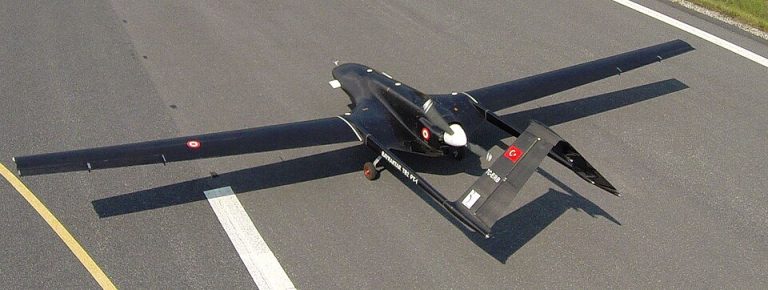
These advantages are not without risks, however. The risk of over-reliance on AI recommendations, without human oversight, is a serious ethical issue. This is best demonstrated by the deployment of the STM Kargu, a completely autonomous drone that uses facial recognition technology to identify specific individuals for targeted assassination, without input from a human operator. These drones, according to the United Nations, Turkey executed exactly this type of attack in 2020.

There is a distinct need for some sort of protocol to explain to AI how to understand the reasoning behind strategic suggestions. As well, “friendly” AI needs to be trained to recognize deception tactics, especially those that may come from “adversarial AI”, attempting to manipulate a friendly AI’s decision-making systems and processes.

In that regard, the integration of AI in cyber security and information warfare is transforming both offensive and defensive capabilities, first through enhanced cyber defenses. As in the wider civilian sphere, AI systems can monitor networks in real-time, detecting and respond to threats faster than human operators. Machine learning algorithms can identify new types of cyber attacks by recognizing potential attack patterns. Automated, independent patch management and vulnerability assessment tools, also powered by AI, can enable these systems to aid in their own defense.

Also in that regard, AI-powered cyber attacks are another aspect of this developing realm. The development of more sophisticated and adaptive malware, intended for deployment by AI, can discover and exploit vulnerabilities in target networks more efficiently than manual searching. This holds the potential for AI to coordinate large-scale, multi-vector attacks on hostile cyber networks.

In the realm of information warfare and disinformation, AI has already developed tools for creating and disseminating very convincing fake news and propaganda. Such psychological operations formerly required a massive investment in conventional printing and radio technology, with results that were frequently uneven in performance. The use of natural language processing to analyze and target specific population demographics with tailored disinformation can reshape both civilian and troop viewpoints in near-real time.

AI-generated realistic video and audio, as a result, will soon prove crucial for military deception operations, through challenges in verifying the authenticity of intelligence gathered from open sources, as well as via recovered intelligence report. Development of AI tools to detect deepfakes and other manipulated media is a major aspect of ongoing AI combat developments.

The reason for this kind of focus, as indicated above, lies in the realm of social media manipulation. AI bots capable of influencing public opinion and sowing discord in target populations can potentially undermine a hostile nation’s national strategy – and potentially its active combat operations – by using AI to identify key social influencers and vulnerable groups for targeted messaging, deep fake video and audio, presenting a distorted perspective to a hostile nation or support group’s population.


But, AI systems can also be used to detect and counter enemy disinformation campaigns, including those conducted by hostile AI’s. The key feature in these types of operations lies in the speed of detection, and in effective countermeasures, as soon as those types of subtle attacks are detected.

In more conventional situations, quantum computing and cryptography hold the potential for quantum-capable AI systems to rapidly break current encryption methods. This is a serious problem, one of extreme concern, as AI holds the potential to crack the “holy grail” of cryptography, by possibly finding a shortcut to breaking the “one-time pad” (OTP) encryption protocol which, despite its faults, is still the most secure system for securing classified transmissions.


An example of a one-time pad. Image credit: Mysid, 2007. Public Domain.


Related to this, is the development of AI management for quantum-resistant cryptography, to protect sensitive military communications. In signals intelligence (SIGINT), advanced AI systems for intercepting and decrypting enemy communications can use natural language processing for real-time translation and analysis of intercepted messages.

This list, quite literally, can go on for miles.

The expansion of artificial intelligence into the military sphere is not something to be hand-waved off as a passing fad. Like all developments in military technology, there are both design and deployment cycles, but also countermeasures that can be discovered and implemented.

The Chinese have a saying: “May you live in interesting times.”

That is not a positive…not least, because we do, in fact, live in interesting times.

Act accordingly.


ADDITIONAL RESOURCES

  1. Paul Scharre (2023), Four Battlegrounds: Power in the Age of Artificial Intelligence
  2. Sam J Tangredi (USN, Ret.), George Galdorisi (2021), AI at War
  3. Denise Garcia (2024), The AI Military Race
  4. Thomas Ricks (2012), The Generals
  5. James F. Dunnigan (2003), How To Make War, 4th Edition
  6. James F. Dunnigan (1991), Shooting Blanks


The Freedomist — Keeping Watch, So You Don’t Have To


Global Shipping Container Rates Jump 29%


NewsBlurb

A new report shows that global container shipping rates have jumped some 29%, as of the end of April, 2024. While the Pentagon is confident that military actions against the Iran-back Houthi terrorists in Yemen are succeeding in tamping down attacks on shipping, the mess of port congestion around the world is also seriously impacting the shipping world, which will inevitably cause significant price increases on all imported goods.

Read more here, or watch here.


The Freedomist — Keeping Watch, So You Don’t Have To

World In Flames – The Guns of May Edition


It’s been a busy week. That is not a good thing.


Opening Round 1 – Iran


The President of Iran, Ebrahim Raisi, as well as Iran’s Foreign Minister, Hossein Amirabdollahian,  was killed in a very “sketchy” sounding helicopter crash in the far northwest of the country, in mountainous terrain near Iran’s border with Azerbaijan, in bad weather on May 19th.

The death of Raisi, a dedicated revolutionary hard-line cleric – responsible for the 1988 massacre of Iranian political prisoners, resulting in his nickname of “The Butcher of Tehran” – potentially opens the way for the Islamic Revolutionary Guard Corps (IRGC) to gain dominant power within the country, as they wield significant influence in choosing Raisi’s successor. The reason for this opening is that under the Iranian Constitution, a committee whose appointments are largely approved by the IRGC is responsible for confirming the eligibility of candidates for the Presidency, but is also responsible for selecting the country’s next “Supreme Leader” – the position originally taken by the Ayatollah Ruhollah Musavi Khomeini in the late 1970’s – which is now a critical juncture, as the current Supreme Leader, Seyyed Ali Hosseini Khamenei, is known to be in ill health, and could either die or retire at any time.

This is important, because the IRGC is now viewed as the main driver of the direct Iranian drone assault against Israel on April 13, in retaliation for Israel’s strike on the Iranian embassy in Damascus, Syria, on April 1st, which killed several senior IRGC officers.

Needless to say, the IRGC is also the driving force behind arming the Houthis in Yemen with advanced weapons, which that group has been using to both attack Israel, as well as sink, damage or pirate commercial shipping in the Red Sea, resulting in widespread disruption of the world’s vital shipping traffic, actions that directly impact you, the Reader.


Opening Round 2 – The DRC


Next up – Africa…but not the part of Africa you’re thinking.

Also on May 19th, there was an attempted coup d’état in the Democratic Republic of the Congo, which is neither “democratic” nor a “republic”. The coup was led by former DRC Army Captain Christian Malanga, who had been imprisoned for his opposition to the heavily disputed 2011 national elections; after his release, Malanga fled to the United States, and formed the “New Zaire Government in Exile” in 2017; it is unclear what course that movement will take, now that its leader is dead.

Also arrested in the coup’s aftermath were Malanga’s son, Marcel, and his friend, Benjamin Reuben Zalman-Polun, described as a “business associate”.

While this would-be comic opera revolution – which it would have been, had no one been killed or seriously injured – bears a striking resemblance to the attempted coup/kidnap “operation” Venezuela in 2020. More importantly, this marks an escalation in the ongoing instability in the DRC. The reason that this is important?

The computers and electronic devices you rely on in your daily life depend on a variety of “rare earth minerals”, many of which are only (barely) “commercially recoverable” in the DRC’s eastern regions. These metals, along with diamonds (both for industrial use, as well as in jewelry) are the source of both the continent’s wealth, but also one of the major drivers of war throughout Sub-Saharan Africa, which is also one of the driving factors of the region’s many recent coups d’état.

As a result, Western “developed” nations are as bound to the internal economics and politics of the region as the locals are, and neither has any reasonable option to counter the problems that have plagued Africa for over one hundred and fifty years.


Opening Round Three – West Taiwan Goes Full Patagonia


Rounding off the week – as of Friday the 24th – Communist China (a.k.a., “West Taiwan”) has upped its ante in saber rattling against the actual legitimate government of the ancient country, by staging a massive series of “punishment drills” around the island. In doing so, the Communist regime in Beijing has revealed both its “intentional arrogance” in dealing with the United States, but has also revealed its desperation.

Chinese Communist Party strongman Xi Jingpin – a person who makes Vladimir Putin look positively saintly in comparison – is increasingly becoming desperate. His regime is deeply unpopular in general, but especially because of the communists state’s flagging economy, seemingly unsolvable demographic crisis, and the fact that the world is quietly laughing at their comic-opera military. This is a dangerous combination.

In 1982, Leopoldo Galtieri, then the leader of the military junta ruling Argentina, was in a very similar position as Xi is now, and for many of the same reasons. With his nation’s economy falling apart – because military officers are not usually economic geniuses – Galtieri was desperate for an event that could distract his increasingly angry populace, and hopefully swing popular opinion in his junta’s favor…and what better way to do that, than to start a war that should be popular at home?

Right?

The result was the Falkland’s War, a war well worthy of study for every person reading this article, in which the armed forces of Great Britain showed that the British Lion still had some real fight left in it, smashed and humiliated the Argentinean military on a scale equivalent to what the US-led coalition would do to the Iraqi armed forces of Saddam Hussein some eight years later.

Now? It appears increasingly possible that Xi may be channeling Galtieri’s ghost, as the “battle calculus” in his head may be leading him to a decision that attacking – or at least trying to force a showdown with the “recalcitrant” province – Taiwan might be a good way to “kill multiple birds” with one stone.

As Freedomist/MIA has pointed out before, this would be tantamount to slaying the world’s economic goose, taking the Communist state with it.


What Is Happening?


There are many reasons behind why these scenarios are playing out the way they are at this moment in time, but the core reason is the same in all cases: the crippling weakness, on open display, of the United States under the regime around Joe Biden.

Now, I know that we tend to harp on this subject a lot, but it is absolutely true: nations and peoples around the world do not have to like us, but it is vital to the survival of the United States as a nation for those states to respect, if not fear us…and for more than thirty years, with the single four-year interregnum of Donald Trump’s administration, the world’s view of the United States as a powerful, even dominant, leading force in the world has steadily eroded. The reasons for this erosion are many, of course, but can be summed up as an increasingly incompetent and unreliable – if not incoherent – series of poor policy decisions has left the international reputation, image and impression of the United States in the gutter, far moreso than at any point between 1946 and 1990.

Xi feels free to threaten Taiwan at will, because of the induced weakness of the United States armed forces, who are so critically undermanned, it is becoming difficult to effectively crew sufficient warships (the ones that work, anyway), where the US Army had to admit defeat and reduce its official strength by some 24,000 troops, because it was consistently failing to meet its recruiting targets. Likewise, in both the Middle East and Africa, state actors increasingly recognize the United States as a non-consequential factor.

That is something you should very much be worried about, come November.


The Freedomist — Keeping Watch, So You Don’t Have To

Why Democrats Don’t Understand How To Do Colonialism


The rot inside Washington, D.C. has turned truly gangrenous.

Leaving aside the immediately abysmal series of disastrous decisions that have invalidated the Biden “administrations” actions that began with the June 2021 cancellation of the Keystone XL oil pipeline, costing the United States some 59,000 jobs and over $9 billion over a largely-finished system that would have sent an estimated 830,000 barrels of oil every day from the Canadian shale oil fields, to their handling of the COVID-19 crisis in releasing untested drugs on a desperate and unsuspecting public, to their limp-wristed “warnings” to Vladimir Putin’s Russia over invading Ukraine, displaying such a level of inability and incompetence, that not only has it confirmed the critical weaknesses in Western military structures that many suspected, it has also given Russia – and thus, Communist China – critical experience in learning how to deal with “cutting edge” western military technology, to the extent that Russia is now able to tweak the nose of the West, by staging a static display of captured western equipment in Moscow.

Now, as if to cap off what can only be described as a deliberate attempt to destroy the fundamental underpinnings of United States policy, worldwide, Biden’s “administration” continues to spew out pie-in-the-sky, “It’s Sunny In Philadelphia”© pronouncements about how fantastic it’s foreign policy initiatives are working, especially in Africa.

Really? Africa would disagree.

Doubling down on “Vice President” Kamala Harris’ “stunning and brave” – and utterly tone-deaf – finger wagging at as many African states as she could over a continent-wide rejection of pro-LGBTQ+ policies, the Biden “Teletubby” group in the District of Columbia struck Uganda from the African Growth and Opportunity Act (AGOA), which allows African countries to export selected products to the USA duty-free.

In doing so, the Biden group attempted to use open and naked “strong-arm” tactics to impose what amounts to colonial rule over African states that “behave all naughty-like”, believing that those states are too stupid, backward and crippled to do anything about it, and would thus be forced to “kowtow” to their demands.

Here’s the problem.


If you want to impose colonialist rule on a place, you have to be willing and able to impose it by military force. The reason for this simple dictum is that there are plenty of other countries in the world who have lots of money to invest in the countries you are trying to impose your will on…and the Biden group has failed so miserably at such a basic function of ‘realpolitik’, that even their nominal supporters are now referring to the elder abuse victim at 1600 Pennsylvania Ave. as “Genocide Joe”.

Case in point: Niger.

On July 26, 2023, Nigerien General of the Presidential Guard Abdourahamane Tchiani deposed the government of his chief executive, President Mohamed Bazoum, in a coup d’état. The reasons behind the coup are lost in the nitpicking common to most coups. The point here, however, is the foreign response.

France, the former colonial power that ruled what would become Niger from 1900 to 1958, was immediately humiliated, as it openly threatened a direct military invasion of the country – the junta installed by the coup’s response?

Go for it.

France was exposed as a paper tiger, because despite getting Niger’s neighbors to wage an economic war against civilians – a war crime, by definition – it could not muster any meaningful support for military action, even getting Algeria – which is critical of the coup in Niger – to ban French military flights over its territory, at least for a time.

As a result, French influence on the continent is in full retreat.

Apparently seeking to emulate the French, the United States also charged at the Nigerien junta like a blind picador on a three-legged horse with heart trouble. Sending in what apparently passes for their “best and brightest”, in the person of Molly Phee, the State Department’s top official for African affairs, Foggy Bottom’s Finest “laid down the law according to Biden”, managing to threaten and insult the junta’s appointed Prime Minister, Ali Mahaman Lamine Zeine, a formally-trained economist, by dictating from on high that Niger was to refrain from engaging with Iran and Russia in ways objectionable to Washington if Niger wanted to continue its security relationship with the United States. Zeine also said Phee had further threatened sanctions if Niger pursued a deal to sell uranium to Iran.

Niger’s response to the United States? Get out, and take your useless drone base with you.

And other states in Africa’s “Coup Belt” are watching closely.


African countries that have had coups between 2020 and 2023. By WikiMedia User Discombobulates. CCA/4.0


The few sane people left in “Sodom on the Potomac” are desperately trying to patch the holes in the sinking diplomatic boat that the Biden group keeps shooting holes in with Grandpa Joe’s double-barreled shotgun, but it is unclear if they can hold the line until the 2024 election, and much-hoped for return of Donald Trump to the White House.

Meanwhile, as should be expected, Russia is the proverbial “Johnny on the Spot”, moving in to replace the United States and France with its own “Africa Corps” (really, the jokes, while bitter, write themselves), to the extent of occupying parts of the drone base known as “Niger Air Base 201” near the Nigerien city of Agadez, a base which was first occupied by the US in 2016, and which began operating in 2019. Once US troops are fully out of the base, the Russians will have unfettered access to one of the most strategically vital military installations on the African continent…courtesy, of course, of a c.$100 million “investment” by US taxpayers (that would be you, the Reader)…

Ultimately, what does all this mean, in the “grand scheme of things”?

Essentially, the Democrat Party knows that it is about to go down in an epic, flaming defeat in November of 2024, a defeat that they cannot undo with any amount of “trumped up” (pun intended) court cases, nor ballot-stuffing.

The only logical conclusion to be reached in observing the insanity of the Biden group’s operations since 2021, is that they intend to burn down as many bridges as the possibly can before their defeat, which would force a second Trump Presidency to spend all of its time trying to get the country back to at least the same level it was at in 2017.

Think about that carefully in six months.


The Freedomist — Keeping Watch, So You Don’t Have To

The Lion Stirs – The Murky War Upsetting World Commerce


In the week before Christmas of 2023, there are several large-scale wars going on, with several more potential wars in the making: Russia-Ukraine; Israel-Hamas/Hezbollah; the ongoing offensive of pro-democracy rebels closing in on the fascist junta in Myanmar/Burma; the never-ending battles across the African Sahel region, and the potential Venezuelan invasion of Guyana.


But, lurking in the background is another potential conflict, one that may be impacting and aiding the neo-con agenda: Ethiopia vs. Eritrea.


Ethiopia is unique in history, as the only African state that was never colonized by any European power. Although conquered and occupied by Italy in the years immediately preceding World War 2, that occupation was short-lived, as the country was fully liberated from Italian rule by 1943.


A truly ancient state, Ethiopia maintained its status as an imperial monarchy until 1974, with the Communist revolution that placed a brutal Marxist-Leninist government in charge of the country. This government would, in turn, be deposed in another revolution in 1989, as part of the wave of Communist states around the world that collapsed as the Soviet Union and the Warsaw Pact imploded, leaving Communist “economies” to wither on the vine.


In the aftermath of the Derg’s collapse, Ethiopia was left unable to stop a popular referendum in one of its most critical provinces – Eritrea – that resulted in that state becoming independent in 1993. While this may seem like a random “factoid”, it is actually of enormous significance.


Eritrea – long part of Ethiopia – occupies the coast of the Red Sea, and as such, was Ethiopia’s only access to world commerce…and after a series of wars in the 1990’s and early-2000’s, Eritrea has effectively blocked Ethiopia from using its Red Sea ports. With a population of over one hundred and seven million, Ethiopia ranks 13th in the top fifteen nations in the world by population – and is the only one of those states that is completely landlocked.


This translates to Ethiopia being forced to pay exorbitant, even “extortionate”, fees to export its goods to market through its only access to the Red Sea, via the Port of Djibouti, which handles an estimated 95% of Ethiopia’s foreign commerce.


Ethiopia’s Prime Minister, Abiy Ahmed, takes this issue seriously…seriously enough, that he made statements on the 13th of October of 2023, that explicitly underlined Ethiopia’s ‘right to access’ to the Red Sea. Understandably, this rattled every other nation in the “Horn of Africa”, all of whom are vastly outnumbered in both population and military capacity by Ethiopia.


These remarks came less than two weeks after the Hamas terror attacks on Israel that commenced on October 7th. As a result, the wider world – obviously – paid little the comments little attention. But then, the Iran-backed Houthi rebels in Yemen chose to insert themselves into that conflict on the side of Hamas, on October 19th…clearly a coincidence, surely.


And then, on January 1st, Ahmed dropped another bombshell, announcing that Ethiopia had inked a deal with the breakaway Somali province of Somaliland to use their port of Berbera to access the Gulf of Aden – well outside the current shooting gallery – reputedly in exchange of recognition of the breakaway state. This has obviously infuriated Somalia, which has never relinquished its claim to the province, despite the region being de facto independent since 1991 and the region’s independence being ratified in a referendum in 2001.


Now, in the first week of 2024, the Houthi missile attacks and piracy have attracted the attention of major powers around the world, many of whom have joined “Operation Prosperity Guardian”, in an attempt to guarantee safe passage through the Bab-el-Mandeb Strait…albeit too late for world shipping giant Maersk, who announced on January 5th that they were ordering all of their vessels not already in the Red Sea to divert around southern Africa’s Cape of Good Hope, to avoid the fighting. While this, alone, will cause serious disruptions to global trade, many more cargo carrier lines are virtually certain to not take the risk and divert their vessels, for the same reason as Maersk. This could easily lead to a reprise of the shipping disruptions that happened at the height of the COVID pandemic.


As a result, there are increasingly serious calls within Washington circles to attack Iran directly, as they are the Houthi’s major source of money and weapons. This would be a Godsend to neo-con chickenhawks desperate to finally get the United States into their long-desired war with Iran…


…Which brings us back to Ethiopia’s moves on its future access to the Red Sea.


Ethiopia has three options: they can a) maintain the status quo, with limited access to world shipping solely through Djibouti’s port; b) conclude their deal to access breakaway Somaliland’s ports; or – c) invade at least part of Eritrea, to capture at least that nation’s port of Assab.


Obviously, the status quo is not working for Ethiopia; if it were, there would have been no need for the deal with Somaliland. Djibouti’s port is increasingly limited in capacity, and has little physical room to expand operations, which will soon severely stunt Ethiopia’s economic output…Conversely, the deal with Somaliland risks war with Somalia, as recognition of Somaliland’s independence would almost certainly gut Somalia’s hopes at stabilizing their nation, which was only reunified in 2012. Somalia would have to launch a military campaign to invade the territory to bring it to heel, presenting Ethiopia with the option of going to war with Somalia in support of a breakaway province, something Ethiopia would be loath to encourage, considering recent history.


As well, invading Eritrea to capture Assab carries significant risks on its own, because – all other things being equal in the absence of the current conflict in the Bab-el-Mandeb – Ethiopia could well face a UN-led coalition of military powers “riding to the rescue” of what has been described as the “North Korea of Africa”.


None of these seem like viable solutions, on their own…Unless the world is focused on a different series of conflicts that would combine to divert attention away from Ethiopia “readjusting” the local map, and allowing Addis Ababa to present the world with a fait accompli in the aftermath of the Houthi’s inevitable neutralization, as well as the likelihood of a massive US-Iran war…


…While the foregoing may sound like the implication of a dastardly plot on Ethiopia’s part, it is not…well, mostly “not.” But, the timeline of Ethiopia’s rhetoric regarding its right-to-access to the Red Sea is certainly suspicious, and indicates some level of foreknowledge of events beginning ion October of 2023, and having active plans and options ready to go.


There are plenty of players in this global chess tournament, and too many “leaders” in the West – and elsewhere – are arrogantly blind to the knives in the dark, thinking that “bit players” cannot harm them.


…Rather like Britain, France and the United States from the 1950’s to the 1980’s.


Word to the wise.


The Freedomist — Keeping Watch, So You Don’t Have To

Iran Escalates Red Sea Tensions


The Islamic state of Iran has significantly escalated tensions in the Red Sea, by deploying the warship Alborz to the crucial Bab el-Mandeb Strait a day after US Navy helicopters drove off Iranian-backed Houthi pirates of Yemen following their attempted seizure of the Singapore-registered container ship Maersk Hangzhou, sinking several Houthi boats and killing an estimated ten pirates, on December 30, according to CENTCOM.

This also comes some 10 days after the Liberian-flagged tanker MV Chem Pluto was struck by a suspected Iranian drone while at sea, en-route from Saudi Arabia to India on December 23rd.

The Alborz, an Alvand-class frigate, was originally bought by the Imperial Iranian Navy in 1971.

The move by Iran raises the distinct possibility of hostile action between the Iranian vessel and the various, dozen-or-so warships of Operation Prosperity Guardian, assembled in late-December to counter repeated missile and boarding attacks on international shipping, claiming to be countering the Israeli response to the unprovoked attack on its civilians that began on October 7 by the Hamas terrorists operating in the Gaza Strip.

The Freedomist will continue to monitor the situation as it develops.


  • Updated at 5:50pm CST, with information and links to the attack on MV Chem Pluto.


The Freedomist — Keeping Watch, So You Don’t Have To

Main

Back FREEDOM for only $4.95/month and help the Freedomist to fight the ongoing war on liberty and defeat the establishment's SHILL press!!

Are you enjoying our content? Help support our mission to reach every American with a message of freedom through virtue, liberty, and independence! Support our team of dedicated freedom builders for as little as $4.95/month! Back the Freedomist now! Click here