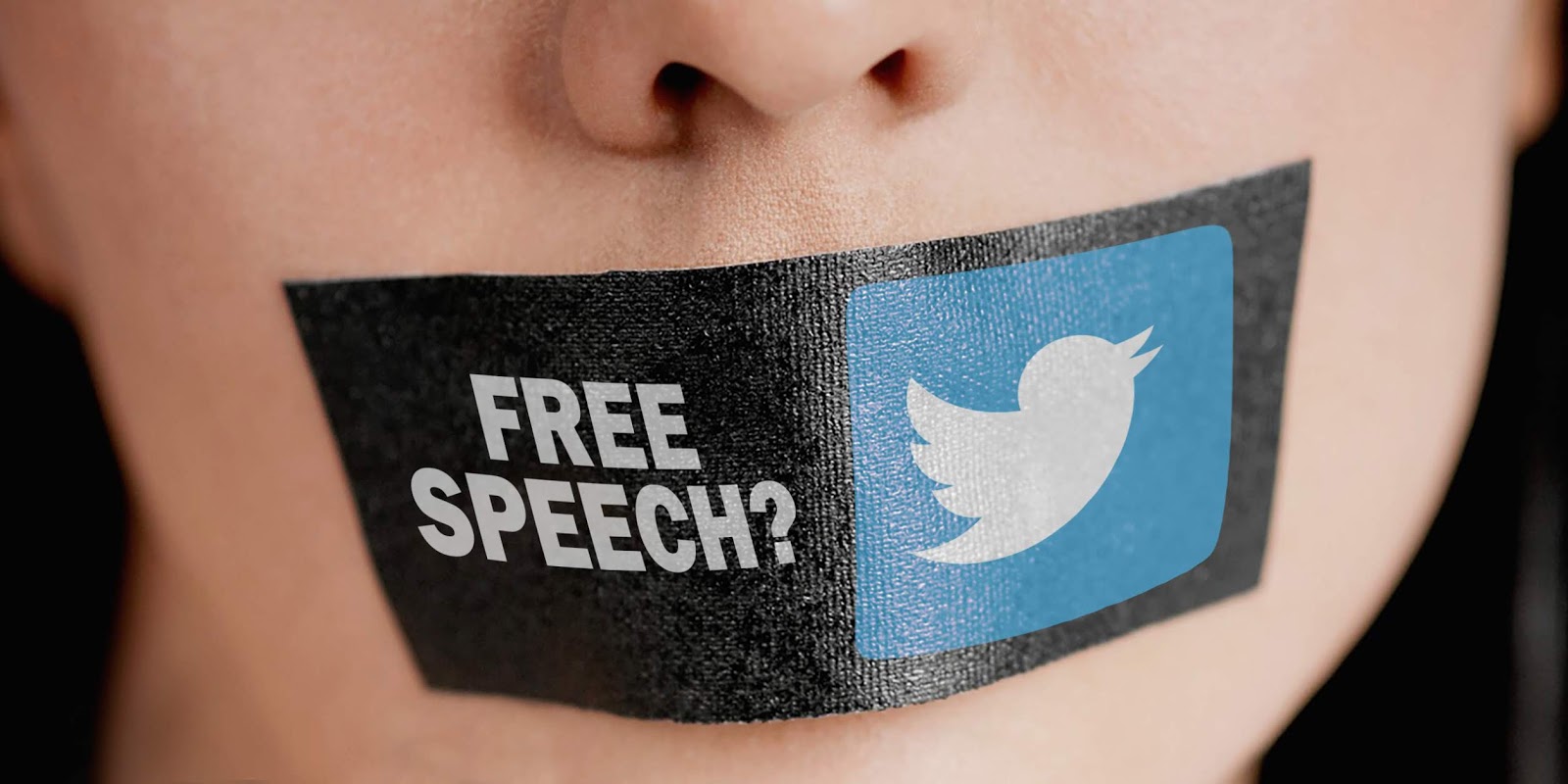
Christian groups around the world are beginning to wonder if the international monopolies on social media might just be used as filters to prevent their worldviews from gaining access to the public stage, which is, de facto, social media overwhelmingly.

They’re not the only groups complaining or worrying about this type of control being placed in the hands of a few billionaires. Other groups are also finding it difficult to get through the filters imposed from on high, and this experience only promises to repeat itself for an increasing range of groups that hold beliefs outside the accepted orthodoxy of the state and the corporation (and where the one begins and the other hands, who knows, the lines at this time are very blurred, if they exist at all).
The question is, what can be done about this? Should we use the state to resuce us from corporate tyranny, and thus empower the state to control the de facto public square, social media? That’s already happpening in many countries, with others also choosing to attempt to build their own nationalist social media platforms safe from the prying filters and promotions of the corpostates within them that are increasingly being thought of as being de facto states that maybe, at some point, should be dealt with as such.
Big Tech might very well find itself hoisted on its own success, and its willingness to spend that success so recklessly to serve the agenda of a petty party, the DNC, because orange man bad or conservatives are evil or whatever other cartoon villain narrative you’d like to choose. But it pushed too far, and now, people are starting to realize how much power it is, and some of those people have real power, government gun power, and they will soon be using it, even as some already have.
‘Big Tech’ censorship of religion is real and deserves an effective response, critics say
From angelusnews.com
2021-08-31 16:40:37
Excerpt:
The power of major internet companies like Facebook, Amazon, YouTube, and Twitter over public life is a particular threat to religious groups that focus on controversial issues like abortion, marriage, and sexuality, several commentators said at a roundtable last week. These groups should prepare for the possibility of censorship and organize effective countermeasures, they said.
“You might not know the hour nor the day you will be censored,” Joshua D. Holdenreid, vice president and executive director of the California-based Napa Legal Institute, said at a roundtable on internet censorship.
Holdenreid said those involved in public debates “need to plan ahead and assume that if they are a religious organization or faith-based organization operating in the public square and focused on an issue that’s related to pro-life (topics), marriage, sexuality, Christian anthropology, they should just assume that they will eventually run afoul of these vague and arbitrary terms and…