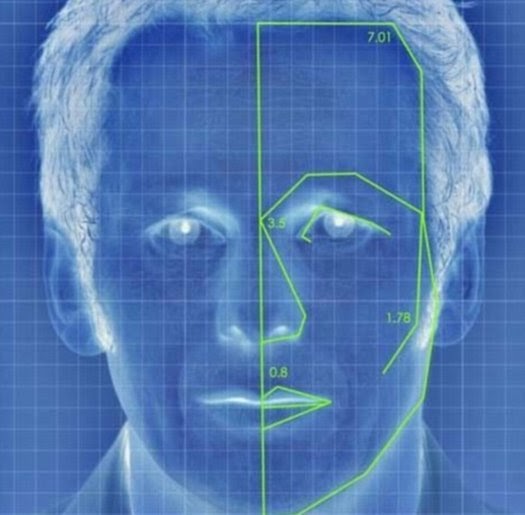
Multiple member states of the EU have decided to pool their resources to better track dissent within their nations. They plan on sharing their growing facial recognition databases with one another so as to eventually form an EU-wide database of faces with attached identities to assure that any dissenters within their lands that are caught on the myriad of surveillance cameras that continue to propagate throughout the lands can be identified and tracked down by authorities who can remove the offending member from society, for the good of the whole.

In the name of safety, once again, Europe turns to the tried and true method of failure, police state control, where the worst of the worst humans will find opportunity to inflict their masochistic bloodlust on the people the police state system alleges to be protecting. The worst of the worst will step forward to be the enforcers of this insecurity, deriving their pleasure and power from having people arrested, locked up, sometimes killed, for challenging the state’s ability to control the masses through terror.
Initially, the police state action will be used, is being used, primarily to target the bad guys we all agree are bad. Who wants to stop a child predator from being caught? Who doesn’t want to stop a terrorist from blowing up a school? But then the tools will be used to target leaders of oppositional thought, like climate change deniers, or people who believe men are men and women are women.
The tactic of inflicting police state terror on a people for the purpose of control of the many by the most powerful few is as old as civilization itself. Watching it unfold in Europe is almost a regular occurrence in world history, and we’re about to watch Europe go full authoritarian police state once again, in the name of safety, for the good of the whole.
EU countries want to pool photos in massive facial recog database : Futurology
From www.reddit.com
2022-04-11 15:29:07
/u/Sorin61
Excerpt:
For the past 15 years, police forces searching for criminals in Europe have been able to share fingerprints, DNA data, and details of vehicle owners with each other. If officials in France suspect someone they are looking for is in Spain, they can ask Spanish authorities to check fingerprints against their database. Now European lawmakers are set to include millions of photos of people’s faces in this system—and allow facial recognition to be used on an unprecedented scale.

The expansion of facial recognition across Europe is included in wider plans to “modernize” policing across the continent, and it comes under the Prüm II data-sharing proposals. The details were first announced in December, but criticism from European data regulators has gotten louder in recent weeks, as the full impact of the plans have been understood.