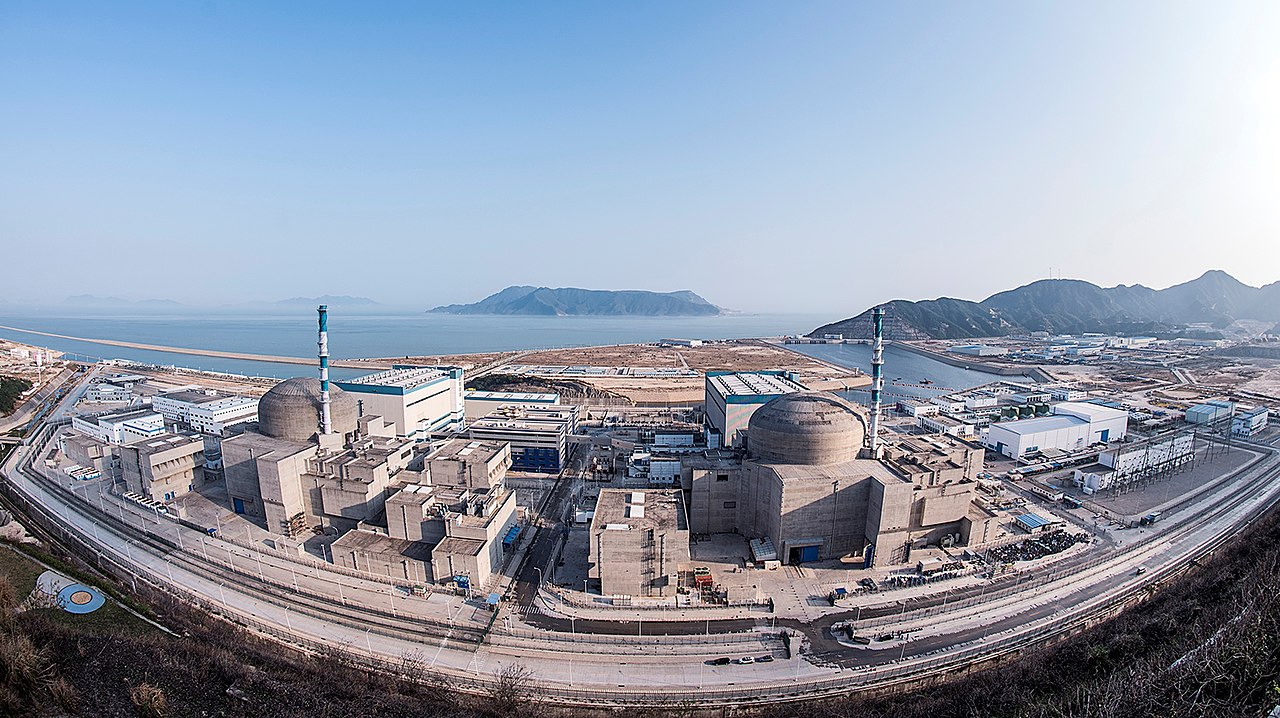
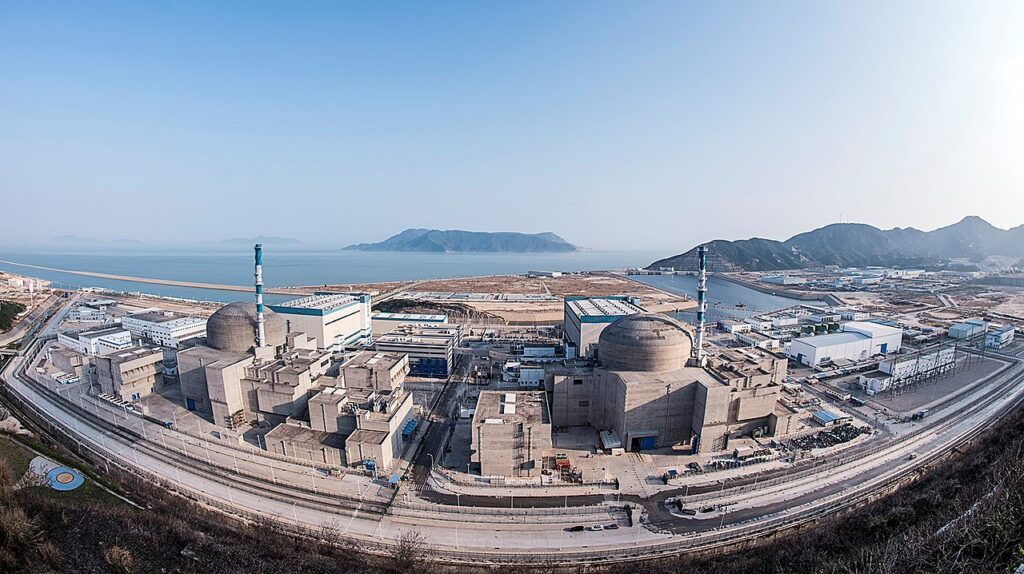
The Taishan Nuclear Power Plant in Guangdong province is leaking higher levels of radiation than are normally allowed according to recent reports. Problems were reported by the plant’s co-owner, Electrictie de France (EDF). EDF owns 30% of the plant.

Meanwhile, as the French company Framatone, which EDF has a 75% stake in, reaches out to the US for help they issued a statement that they are “supporting resolution of a performance issue with the Taishan Nuclear Power Plant in Guangdong Province, China. According to the data available, the plant is operating within the safety parameters. Our team is working with relevant experts to assess the situation and propose solutions to address any potential issue.”
But while the Biden administration is touting Chinese statements that “all is well”, Framatone has requested a special waiver allowing it to use American technology to help resolve the evolving “non-crisis”, a transfer of technology that would only be granted if there were an imminent crisis. The request and actions of the company versus the public statements of the company and the Chinese and American governments clearly don’t align with each other and this has people concerned.
The plant in located near Hong Kong and Shenzen on the Chinese coastline. A major radiological leak, evidently caused by a problem with a control rod, would impact over 100 million people and could possibly be a hazard well beyond China. Unit 2, which is the unit impacted, went offline this year for a refurbishment and was put back in operation on June 20, 2021. There is not explanation on what caused the refurbishment or if it was potentially the root of the problem.
The first unit, Taishan 1, entered commercial service in December 2018. The second unit, Taishan 2, entered commercial service in September 2019. The plant is the first in the world to use the new Evolutionary Power Reactor.
The EPR is a third generation pressurised water reactor design. It has been designed and developed mainly by Framatome (part of Areva between 2001 and 2017) and Électricité de France (EDF) in France, and Siemens in Germany. In Europe this reactor design was called European Pressurised Reactor, and the internationalised name was Evolutionary Power Reactor, but it is now simply named EPR.
EDF has acknowledged severe difficulties in building the EPR design. In September 2015, EDF stated that the design of a “New Model” EPR was being worked on, which will be easier and cheaper to build.
There is no word on whether the new design is a critical element here, but the fact the plant has only been operating for around 3 years and has had difficulties in a new reactor that is only two years old and has had a recent refurbishment has led to speculation.

The plant itself claimed, “Since it was put into commercial operation, the Taishan Nuclear Power Plant has strictly controlled the operation of the units in accordance with operating license documents and technical procedures. All operating indicators of the two units have met the requirements of nuclear safety regulations and power plant technical specifications.”
The Chinese government is widely known for suppressing negative news and shifting any blame. As a totalitarian regime which relies on force and fear more than voluntary loyalty and consent of the governed, the Chinese regime cannot afford PR nightmares.
This crisis is not close to the Chernobyl incident, but it is being watched by many as it is feared the present American administration is too unwilling to confront China, despite its rhetoric, on such sensitive issues. This lack of external pressure and willingness to demand answers may in fact lead to face-saving efforts by the Chinese which get in the way of safety measures that might resolve the situation.