Military planning is weird. While most people view the field as planning to simply “blow stuff up and kill people“, that only makes up a vanishingly small sliver of the field. “Military planning“, as such, encompasses planning that considers what amounts to every other field that you can imagine…just with a particular focus. This is because military officers are – or were – not at all the cartoon characters they are frequently portrayed as in popular media.
As a result, composing a military plan – especially at the higher levels – usually takes into account things most civilian planners never have to think about at any scale. Case in point…
In that vein, here’s a Cold War planning problem that doesn’t get nearly enough attention: what do you do with your railroad network after the bombs fall?
While this sounds like the setup for a bad science fiction novel, planners in the Soviet Union took it with deadly seriousness – and their answer was one of the more quietly ingenious contingency programs of the entire Cold War era. They called it the “Strategic Steam Reserve“, and by the 1970’s it amounted to thousands of carefully maintained steam locomotives, pre-positioned across the length and breadth of the USSR, ready to rise from their cold storage like iron zombies to keep the country moving when everything modern had stopped working.
The Problem
To understand why this was so vital, requiring a massive diversion of money and resources, you have to understand how utterly dependent the Soviet Union was – and, in the form of modern Russia, is – on its rail network. The Trans-Siberian Railway was not merely a transportation asset…it was the central nervous system of a continent-spanning state. Break that spine, and Moscow’s control over its eastern territories, all the way to the Pacific, collapses. This was true in the 1960’s and it remains largely true of modern Russia today.
Through the 1950’s and into the 1960’s, as part of the nation’s recovery from the destruction of the Second World War, Soviet railways completed a rapid transition from steam to diesel and electric railroad systems. It was the right call operationally – diesel locomotives are faster, more fuel-efficient, and required far less infrastructure support than steam. But the transition created a new vulnerability that Soviet planners were not prepared to ignore. A nuclear exchange, or even a large-scale conventional assault on infrastructure, posed two catastrophic risks to a modernized diesel and electric network.
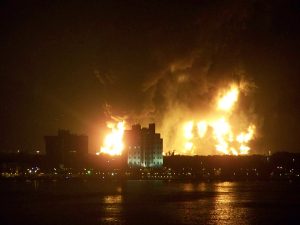
View of the refinery explosion in Catano, Puerto Rico, 2009. CCA/3.0
First, a disrupted fuel supply chain could ground diesel locomotives almost immediately. Second – and much more troubling to Soviet military planners – the later discovery that the electromagnetic pulses generated by nuclear detonations could destroy the solid-state electronics increasingly embedded in modern motive power. An electrified network with no electricity, and diesel locomotives with fried control systems, is a very expensive collection of unusable metal.
A steam locomotive, by contrast, is magnificently indifferent to electromagnetic pulses. It has no sensitive electronics to fry. It runs on fire, water, and mechanical ingenuity – technologies that were already ancient when the first Bolshevik fired up a nationalized engine in 1917. Coal works. Wood works. Siberia, as one observer noted, is covered in wood. And while contaminated surface water would be undrinkable after a nuclear exchange, it is perfectly adequate for generating steam.
The Reserve Itself
The Strategic Steam Reserve consisted of withdrawn steam locomotives maintained in working order for potential use in a national emergency. The program was structured with genuine military rigor. Locomotives were dispersed to special depots across the country – deliberately sited in rural and mountainous areas away from likely nuclear target sets. Some engines were kept indoors in controlled environments to reduce rust and degradation. Many more were simply parked wherever space existed: in yards, on sidings, in tunnels, beside forgotten branch lines.
Critically, these were not museum pieces; they were maintained as “operational assets“. Mechanics periodically fired up the engines and ran them under load. Dedicated cadres of engineers were trained in steam operations long after those skills had vanished from the mainstream railway workforce – and those specialists were deliberately kept dispersed so that a single strike couldn’t eliminate the entire knowledge base at once. The reserve was structured along military readiness standards, with some locomotives capable of being operational within 12 to 24 hours, others requiring several days of preparation, and a long-term cold storage tier beyond that.
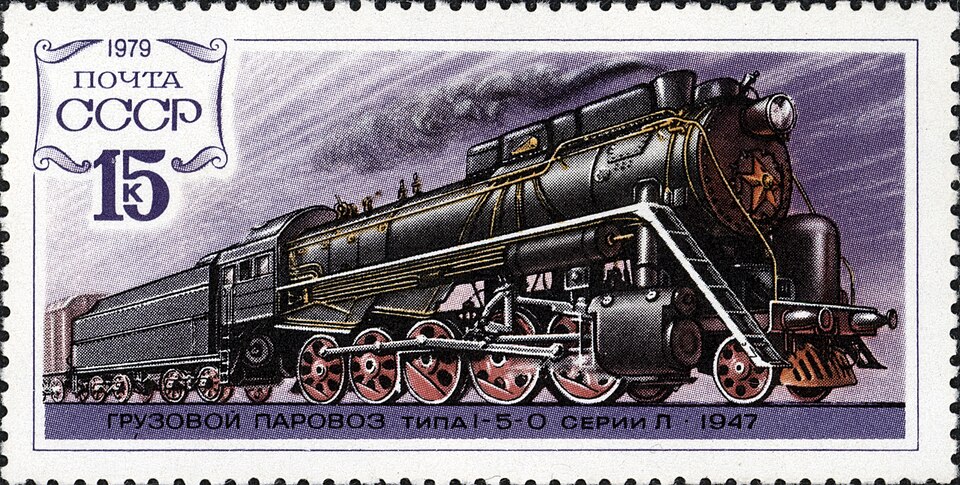
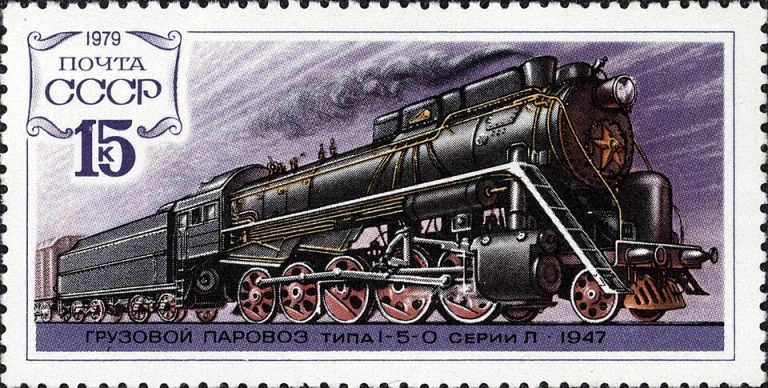
The locomotive types kept in reserve reflected Soviet engineering pragmatism: the workhorse SO series, valued for reliability and ease of field maintenance; the powerful FD series freight locomotives; the postwar L series; and the more sophisticated P36 passenger engines. The reserve also absorbed significant numbers of captured German Kriegslokomotive Class 52 engines – over 6,000 of which had been built during the war against Germany – many of which ended up rusting in Soviet reserve lines, waiting for a call that never came.
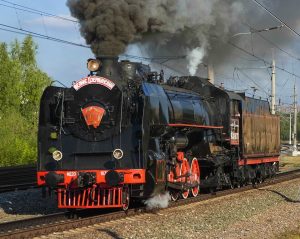
Steam locomotive FD20-1679 at train parade during Expo 1520 railway exhibition in 2017 on railway test circuit in Shcherbinka, Moscow, Russia. 2017 photo. Public Domain.
Secrecy & Aftermath
The existence of the program was classified throughout the Cold War. Western intelligence had only fragmentary knowledge of the depot locations, which were kept off civilian maps. Even within the USSR, knowledge was compartmentalized, and workers assigned to the reserves were sworn to secrecy under conditions comparable to military installations. It was not until the post-Soviet years that researchers and railway enthusiasts began uncovering the remains of reserve depots, often finding locomotives still intact – heavily rusted, vandalized, sitting in forgotten sheds or overgrown sidings. Those are the source of the striking photographs of abandoned Soviet steam engines with red stars that circulate online.
The collapse of the USSR in 1991 effectively ended the program. Economic chaos, loss of strategic direction, and the privatization of the railway system meant that most reserve locomotives were either scrapped or sold off. By the time researchers began documenting what remained near cities like Roslavl, only a handful of engines survived in any condition – and the Russian government was considering scrapping those, too.
The idea was not uniquely Soviet. Sweden and Finland maintained their own strategic steam reserves during the Cold War, structured against the possibility of a Soviet invasion rather than nuclear exchange. Britain is rumored to have done the same – but despite decades of enthusiast mythology and at least one BBC Radio investigation, no evidence of an official British reserve has ever surfaced.
The Verdict
It is easy, in retrospect, to smile at the image of stolid Soviet planners earnestly cataloging steam locomotives as strategic assets while American engineers were designing MIRV warheads and advanced satellites. But their logic was sound. The Soviets were solving a real problem – how do you maintain national cohesion and logistical function in a post-nuclear environment where modern infrastructure has failed? – and they solved it with the tools available. For a nation held together by rail, the answer was to keep the old iron breathing, just in case.
The zombie trains never rolled in earnest. They quietly rotted away in their sidings while the Cold War ended around them. But the thinking behind them deserves more credit than it typically gets.
The Freedomist — Keeping Watch, So You Don’t Have To
Nations are odd things. They are difficult to found and internally fractious, but resist splitting up again when irreconcilable differences happen. Moreover, international “clubs” – like the United Nations – are loathe to accept new nations, unless those nations navigate the wholly articial, Twister-like rules which those clubs set. Conversely, said clubs steadfastly refuse to accept any new nation declaring its existance, whether they have effective control and administration over their territory or not.
And, this is especially true when the state in question has absolutely no collective identity, but was artificially constructed by former European colonial masters who drew lines on a map in a smoking room in some European capital, ignoring what people lived where, caring solely for natural terrain features like rivers, lakes and mountains that required little effort to delineate, because those doing the drawing had a croquet match to attend at the lawn party outside.
The question isn’t whether Yemen will split into two countries again — it’s whether the international community will finally acknowledge what’s already happened on the ground. The entity we call “Yemen” exists primarily on maps and in UN resolutions, while the actual territory operates as separate political systems with different governments, currencies, and security forces. The reunification experiment that began in 1990 is effectively over. What remains for the “international community” is deciding how to make it official without looking like complete morons.
And it isn’t as though precedents do not exist for this sort of thing: The most successful modern national partition remains Czechoslovakia’s “Velvet Divorce” in 1993. Unlike Yugoslavia’s violent disintegration, Czech and Slovak leaders negotiated a peaceful split despite polls showing most citizens preferred staying united. The separation was orderly: assets divided, treaties apportioned, borders established without dispute. Both successor states joined NATO and the EU, maintaining close economic ties and visa-free travel. The key difference? Political leaders committed to negotiated settlement rather than violence, no external powers had strong interests in preventing partition, and both populations were relatively homogeneous within their territories. It remains the gold standard for how national separations should work — and how rarely they actually do.
Understanding why requires looking back at how these “two Yemens” came to exist in the first place, and why their marriage was probably doomed from the start.
The Original Split
Modern North Yemen emerged from the collapse of the Ottoman Empire, becoming an independent kingdom in 1918 under Imam Yahya. It remained a conservative, tribally-organized monarchy until a 1962 military coup sparked an eight-year civil war that eventually established the Yemen Arab Republic — backed by Egypt and the Soviet Union against Saudi-supported royalists. The north was predominantly Zaydi Shia in religious orientation, though more moderate than Iranian Twelver Shiism, with a strong tribal structure and conservative social organization.
Ahmad bin Yahya Hamidaddin (1891 – 18 September 1962) was the penultimate king of the Mutawakkilite Kingdom of Yemen from 1948 to 1962. Public Domain.
South Yemen followed a completely different trajectory. After the British withdrawal from Aden in 1967, Marxist revolutionaries established the People’s Democratic Republic of Yemen — the only officially Marxist state in the Arab world. It was militantly secular, Soviet-aligned, and attempted rapid socialist transformation. The South’s population was more Sunni, more urbanized – centered around the port city of Aden – and ideologically committed to state-directed modernization. The two countries even fought a brief war in 1979.
These weren’t minor cultural differences. They represented fundamentally incompatible visions of governance, society, and Yemen’s place in the world.
The Unlikely Marriage
Reunification in 1990 was driven more by desperation than genuine reconciliation. The Soviet Union was collapsing, cutting off South Yemen’s economic lifeline. North Yemen’s economy was struggling. Both governments faced internal dissent and saw unification as a solution to their separate crises. President Ali Abdullah Saleh from the north and Ali Salim al-Beidh from the south negotiated a merger that papered over fundamental incompatibilities with promises of power-sharing and federal governance.
It lasted exactly four years before armed conflict erupted. The 1994 civil war saw northern forces, backed by Saudi Arabia and conservative tribal militias, defeat southern separatists decisively. What followed wasn’t genuine reunification but northern domination. Saleh’s government systematically marginalized southern politicians, appropriated southern oil revenues, and installed northern military commanders in southern territories. Resentment festered for two decades.
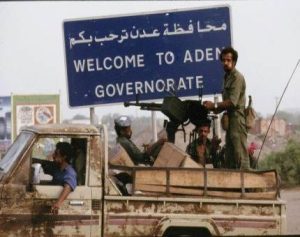
Yemen’s government army entering Aden Goveronate during the civil war, July 1994. Public Domain.
The Breaking Point
The “Arab Spring” reached Yemen in 2011, forcing Saleh from power but leaving underlying tensions unresolved. The Houthi movement — a Zaydi revivalist group from northern Yemen with Iranian backing — capitalized on the chaos. By 2014, they had seized the capital of Sanaa. When they pushed south toward Aden in 2015, Saudi Arabia launched a military intervention that continues today.
The conflict crystallized existing divisions. The Houthis control most of the north, operating what is effectively a separate state with its own governance, military, and foreign policy — as demonstrated by their attacks on Red Sea shipping in solidarity with Hamas. The Southern Transitional Council (STC), formed in 2017, controls much of the south including Aden, with UAE backing. They issue their own currency, operate separate security forces, and openly advocate for southern independence.
The internationally recognized government, meanwhile, barely controls anything and operates primarily from Saudi Arabia. This is a government in name only.
The October 2000 bombing of the destroyer USS Cole in Aden harbor — killing 17 American sailors — illustrated Yemen’s role as a base for transnational extremism long before the current crisis. Al-Qaeda in the Arabian Peninsula (AQAP) thrived in the ungoverned spaces created by weak central authority and competing factions. The current fragmentation has only worsened this problem, with AQAP and ISIS affiliates operating in territories neither Houthis nor STC fully control.
Why This Matters Beyond Yemen
The Houthi campaign against Red Sea shipping has demonstrated that a Yemeni faction can significantly disrupt global commerce even without international recognition. Their anti-ship and ballistic missiles, as well as “kamaikaze” drones, supplied by the Islamic of Iran, have forced naval deployments by the United States and European powers. A formally partitioned Yemen wouldn’t change these capabilities — it would simply acknowledge political reality.
A map of the Houthi engagements with commercial ships from various countries during the Gaza War. 2023 Map by WikiUser Ecrusized. CC0/1.0
More intriguingly, international recognition of a southern Yemeni state could establish precedent for other de facto separations. Somaliland, which declared independence from Somalia in 1991 and has maintained stable governance for over three decades, has long sought international recognition. If the international community accepts Yemeni partition based on historical precedent (the pre-1990 states) and effective governance, Somaliland’s case becomes significantly stronger, creating a range of possible fallout scenarios. Both represent functional states with historical legitimacy denied recognition due to international community inertia and fear of encouraging separatism.
The Path Forward
The question facing policymakers isn’t whether Yemen should split — it already has. The question is whether maintaining the fiction of Yemeni “national unity” serves any useful purpose, or whether acknowledging reality might actually enable better governance, clearer accountability, and more effective international engagement with whoever actually controls Yemeni territory.
Saudi Arabia and the UAE already deal with separate Yemeni entities. The Houthis negotiate independently with international actors. The Southern Transitional Council administers its territory with minimal reference to the “official” government. At what point does pretending these are temporary arrangements become more destabilizing than simply accepting the divorce?
Yemen’s reunification was an experiment that failed. Acknowledging that failure might be the first step toward actually addressing Yemen’s crises rather than pretending a unified government will somehow reassert control over territories it never effectively governed.
The Freedomist — Keeping Watch, So You Don’t Have To
President Trump’s recent comments about potential military action against Venezuela have sent ripples through diplomatic channels and defense planning offices alike, including Congress hysterically trying to invoke the “War Powers Act“. The question isn’t whether the United States could conduct military operations against the Maduro regime — the answer to that is obviously yes. The real questions are whether we should, what it would actually cost, and whether anyone in Washington has seriously thought through what happens on Day Two.
Venezuela presents a deceptively complex military problem wrapped in what looks like a simple regime-change operation. On paper, the Venezuelan military is a sad joke. The Bolivarian National Armed Force fields Soviet-era equipment in various states of disrepair, struggles with spare parts due to sanctions, and has been hollowed out by corruption and political purges. Their Russian Su-30 fighters are mostly grounded. Their navy is a coastal defense force at best. The country’s air defense systems are…”dated”…is a charitable term. In a conventional fight, U.S. forces would achieve air superiority within hours and could strike any target in the country with impunity.
But that’s where the easy part ends.
Venezuela isn’t Iraq in 2003. It’s a country of 28 million people with a long history of guerrilla warfare, sitting on top of the world’s largest proven oil reserves — an estimated 303 billion barrels, more than Saudi Arabia. The terrain ranges from Caribbean coastline to Amazonian jungle to urban sprawl. Caracas alone has a metropolitan population of 5 million packed into a valley surrounded by mountains and barrios — sprawling hillside slums that would make Sadr City look manageable especially compared to the favelas of Rio de Janeiro.
The military operation itself would be straightforward enough: establish air superiority, conduct precision strikes on regime leadership and military infrastructure, land forces to secure key facilities. The U.S. Southern Command has surely war-gamed this scenario dozens of times. We could decapitate the Maduro regime in a matter of days, possibly hours if we caught them by surprise.
But then what?
Venezuela’s economy has been in free-fall for a decade. Hyperinflation reached 130,000 percent in 2018. Basic services are collapsing. Over 7 million Venezuelans have already fled the country — the largest refugee crisis in Latin American history. The infrastructure is crumbling, the healthcare system barely functions, and the electrical grid fails regularly. This isn’t a country where you can remove the dictator, install a friendly government, and expect things to stabilize.
More problematically, Maduro isn’t universally despised. He’s incompetent and brutal, but he’s also built a patronage network through Colombian guerrilla groups, narco-trafficking operations, and the military officer corps. The colectivos — pro-government paramilitary groups — number in the tens of thousands and are heavily armed. Unlike Iraq’s Republican Guard, which evaporated when confronted with U.S. armor, these groups would likely melt into the population and wage an extended insurgency. They know the terrain, they have local support in certain areas, and they’ve got nothing to lose.
The logistics alone should give Pentagon planners nightmares. Venezuela shares borders with Colombia, Brazil, and Guyana. Securing those borders to prevent weapons flow and insurgent safe havens would require tens of thousands of troops and cooperation from neighbors who have no interest in hosting a U.S. occupation next door. Brazil, in particular, would likely oppose military intervention strongly — they’ve got their own political complexities and don’t want American forces operating on their northern border.
Then there’s the oil question. Venezuela’s petroleum infrastructure is a disaster after years of mismanagement and underinvestment. The heavy crude requires specialized refining. Simply occupying the oil fields doesn’t mean production magically resumes. You’d need to secure the various facilities, bring in real expertise, negotiate contracts, establish security for workers — all while dealing with potential sabotage and insurgent attacks. Iraq’s oil infrastructure, which was in far better shape, took years to fully restore after 2003.
The regional implications are equally messy. Every Latin American country remembers the history of U.S. military interventions — Guatemala (1954), Dominican Republic (1965), Grenada (1983), and Panama (1989). Even governments that despise Maduro would face domestic political pressure to condemn American military action. The Organization of American States would fracture. China and Russia, both of which have significant investments in Venezuela, would use the intervention as proof of American imperialism and work to undermine any post-conflict stabilization.
And here’s the fundamental question nobody seems to want to answer: what’s the actual U.S. national security interest that justifies the cost? Yes, Maduro is a thug. Yes, Venezuelan refugees are destabilizing neighboring countries. Yes, the humanitarian crisis is real. But none of that constitutes a direct threat to American security that requires military intervention. The oil? We don’t need it — the U.S. is now a net energy exporter.
Trump’s “Crazy Gaijin” act on the world stage has genuine strategic value—keeping adversaries uncertain about American responses can deter aggression. But there’s a difference between strategic unpredictability and backing yourself into a corner where you either have to act or lose credibility. If the rhetoric about Venezuela escalates much further, Trump may find himself facing exactly that choice.
And if Trump is anything, “unpredictable” fits the descriptive bill.
The question then becomes: is this administration prepared for what an actual shooting war with Venezuela would require? Not the easy part — the invasion. The hard part — the occupation, stabilization, and reconstruction that would consume American resources and attention for a decade or more.
Based on our track record in Iraq and Afghanistan, foolish optimism about anyone’s ability to honestly answer that question before the first shots are fired is not something that we should trust in.
The Freedomist — Keeping Watch, So You Don’t Have To
By and large, your humble author has largely avoided talking about the war between Russia and Ukraine that entered its “hot” phase in late-February of 2022, even though it actually began in 2014 – but don’t expect the mainstream media to talk about that too much.
Breaking the “Fourth Wall” a bit, I hate politics, in general. I have strong and rigid opinions, and I am not going to beat dead horses here. So, don’t expect political moralizing. I write about the technical aspects of defense and security – which are completely agnostic, until some idiot decides that their juice is better than that of the other guy across the river.
Moving on.
There has been a toxic fantasy in the West – especially in the United States – that has arisen in the aftermath of the collapse of the Soviet Union. Caused by a putrid mix of slavish devotion among politicians desperately wanting to look good to voters, greedy and craven defense contractors, and military officers looking to pad their retirement portfolios, all of whom adopted the idiotic ideas of Alvin Toffler – a subject we recently touched on – have combined to weaken the military capacity of the West to levels of incapacity not seen in nearly a century.
After the Cold War ended, there was a frenetic rush to make the “butter not guns” dream a reality. The problem? Like all utopian concepts – especially when backed up with “sciency”-looking graphs and densely written tomes filled chock-full of techy-sounding wording – that paradigm drove Western defense infrastructure over a cliff.
What all of those lofty hopes-n-dreams deliberately ignored, was that with the demise of the Soviet Union, the only enemies left – so it seemed – were minor states, like Serbia and Iraq, and later, against various terrorist groups like al-Qaeda as part of the grandiosely-named “Global War On Terror” (GWOT).
The idea of a massive conventional war in Europe was completely dismissed as a thing of the past. In this, to be both as blunt and honest as possible, was a level of “genteel racism” that has run as an undercurrent (and occasionally not so “under”) through the psyches of the Western establishment, as massive conventional wars happened throughout those parts of the world the mainstream media chooses to ignore since the Cold War’s end.
As a result, modern (i.e., 21st Century) Western militaries are barely-hollow shadows of their former selves.
This particular Emperor’s lack of clothing became starkly apparently in 2022, as the war goaded into being by the “globalists”, led by Joe Biden’s autopen, revealed that there were no functional reserves of war material in the West, including within the United States…while Russia – with only minimal support from its allies – was able to easily maintain operations throughout the war, hysterical screaming from the Western/globalists.
Destroyed military vehicles on a street in Bucha, Ukraine, near Kiev, during Russia’s invasion of Ukraine, March 1, 2022. Picture by REUTERS/Serhii Nuzhnenko. CCA/2.0 Generic.
In a word – the “Arsenal of Democracy” is empty. And deliberately so, in the interests of greed.
Coming Clean
NATO Secretary General Mark Rutte delivered a sobering assessment to London audiences in the summer of 2025: “Russia produces in three months what the whole of NATO produces in a year” when it comes to ammunition. The statistic encapsulates one of the most profound strategic failures of the post-Cold War era – the systematic dismantling of the Western defense industrial base just as the world was returning to the high-intensity conflicts it was designed to support.
Three years after Russia’s invasion, Ukraine remains critically short of the basic ammunition needed to defend itself, despite receiving unprecedented Western military aid. The shortage isn’t due to lack of political will or financial resources, but something far more fundamental: the West simply cannot produce enough ammunition to meet the demands of modern warfare. What was once called the “Arsenal of Democracy” now struggles to keep a single medium-sized conflict adequately supplied.
The Arithmetic of Industrial Failure
The numbers tell a stark story. Before the war, [the United States produced approximately 14,400 artillery shells per month – roughly 180,000 annually. Europe’s combined capacity for 155mm shells ranged between 240,000 and 300,000 pieces per year. Meanwhile, Ukrainian forces were using 2,000 to 9,000 shells daily in active combat – potentially consuming the entire annual Western production in a few weeks.
Russia, by contrast, ramped up to producing an estimated 4.5 million shells annually by 2024, supplemented by millions more from North Korean stockpiles. This allowed Russian forces to fire 10,000 to 80,000 shells daily at their peak – a volume that Western production couldn’t match even if every shell manufactured went directly to Ukraine.
The disparity became operationally decisive. The fall of Avdiivka in early 2024 occurred not because Ukrainian defenders lacked courage or competence, but because they lacked ammunition. Soldiers withdrew from a town successfully defended since 2014 simply because they couldn’t shoot back.
How We Got Here
The post-Cold War “peace dividend” seemed reasonable at the time. With the Soviet threat vanished and conflicts shifting to counterinsurgency operations requiring precision strikes rather than mass artillery barrages, Western militaries optimized for quality over quantity. Production lines closed, skilled workers retired, and long-standing supply chains atrophied. The assumption was simple: modern warfare would be short, decisive, and technology-intensive. Artillery-intensive wars of attrition belonged to history.
A recent academic analysis suggests deeper psychological factors at work. Western militaries over-invested in visible weapon systems – aircraft carriers, stealth fighters, advanced tanks – that could be showcased to signal military strength while neglecting unglamorous stockpiles of shells and propellant. Like luxury goods in consumer markets, these prestige platforms satisfied political and institutional desires for status while the mundane logistics of sustained warfare received inadequate investment.
The result: warehouses that looked full but weren’t. NATO’s own ammunition stockpile targets, set in 2014 to sustain a 30-day high-intensity conflict, were never met. When Ukraine needed support, European nations were drawing from “half full or lower warehouses,” as Admiral Rob Bauer, chair of NATO’s Military Committee, acknowledged in 2023.
The Response: Too Little, Too Slow
Western nations recognized the crisis early but struggled to respond effectively. The U.S. has invested billions to increase 155mm production from 14,400 monthly shells to 40,000, with targets of 100,000 by late 2025. Europe set goals of 2 million rounds annually by 2025. These are impressive percentage increases but remain inadequate to both supply Ukraine and replenish depleted Western stocks.
The problem isn’t just production capacity – it’s the entire industrial ecosystem. Explosive production, particularly TNT, relies on a single Polish factory. Specialized steel alloys, propellants, and precision components all face similar bottlenecks. It takes two to four years to establish new production lines for high-intensity military equipment, meaning decisions made today affect battlefield realities years hence.
European efforts face additional complications. The EU produces around 170 different weapon systems, with 16 different types of 155mm shells alone. Ukrainian soldiers call this diversity a “zoo,” forced to constantly recalibrate equipment as they receive incompatible ammunition batches. National defense industries resist standardization to protect domestic jobs and capabilities, creating inefficiency precisely when efficiency matters most.
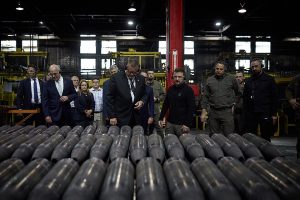
President of Ukraine Volodymyr Zelenskyy visiting the Scranton Army Ammunition Plant in Pennsylvania, where components for artillery and mortar shells are produced. Public Domain.
Strategic Implications
The ammunition shortage reveals uncomfortable truths about Western military power. The United States and its allies possess overwhelming technological superiority in sensors, precision weapons, and command systems. They can see the battlefield better, strike more accurately, and coordinate more effectively than any adversary. But modern wars – particularly wars of territorial conquest – still require mass. You cannot hold ground with satellites nor break fortified lines with precision alone, when the enemy can absorb losses and continue fighting.
Russia’s production advantage doesn’t reflect superior technology or efficiency – Russian shells are cruder and less accurate than Western equivalents. It reflects strategic focus and industrial mobilization. Russia maintained cold-war-era production capacity, kept supply chains intact, and prioritized ammunition stockpiling even when it seemed unnecessary. When war came, this unglamorous preparation proved decisive.
The West now races to rebuild what it spent thirty years dismantling. New contracts are signed, facilities are being constructed, and production targets are set. But wars don’t wait for industrial mobilization. Ukraine needs ammunition today, not in 2026 or 2027. Every month of shortfall translates to lost territory, casualties that might have been prevented, and strategic opportunities foreclosed.
The hollowed-out “Arsenal of Democracy” stands as testament to what happens when military planning assumes future wars will resemble preferred scenarios rather than probable realities. Preparing for the wars we want to fight while ignoring the wars we might have to fight is a luxury no serious power can afford – a lesson being relearned at terrible cost on Ukrainian soil.
Russia bet long, and is succeeding. The West bet short, and is failing….It’s as simple as that. The only good thing is that we are not in direct combat with Russia.
Yet.
I can’t tell you how we’re going to fix this, because there are entrenched actors in the West – in government, industry and military departments – absolutely unwilling to bend the knee to take the actions needed to fix the problems outlined above.
Charlie Kirk, a prominent conservative American activist, was murdered by a sniper’s bullet at a Utah event on the Utah Valley University campus on Wednesday, September 10, 2025. At this time, no motive for the shooting has been announced. The shooter has been arrested. Charlie Kirk was only 31 years old. The shooter has been identified as 22-year-old Tyler Robinson. He was turned in by his family, with his father detaining him until the police arrived.
President Trump said of the news of the shooter being captured, “I hope he was going to be found guilty, I would imagine, and I hope he gets the death penalty. What he did. Charlie Kirk was the finest person that he didn’t deserve this. He worked so hard and so well. Everybody liked him.”
Charlie Kirk Shot at Utah College Event: Report– people.com Source Link Excerpt:
NEED TO KNOW
Shots were fired at a Charlie Kirk event in Utah on Wednesday, Sept. 10
The right-wing political commentator was manning his well-known “Prove Me Wrong” table when gunfire broke out
Kirk shared photos and video from the event on X just moments before the shooting began.
Charlie Kirk was shot during a campus event at Utah Valley University on Wednesday, Sept. 10.
The 31-year-old right-wing political commentator was manning his signature “Prove Me Wrong” table as part of his American Comeback Tour on the Orem, Utah, campus, when shots were fired.
Video posted from the event appeared to show Kirk being shot in the side of the head or neck as he spoke to the crowd from under a white pop-up tent.
After the shot rang out, the crowd dispersed in a panic, with onlookers shouting “Run, run, run!”
Utah Senator Mike Lee posted to X shortly after news of the shooting broke, writing, “I am tracking the situation at Utah Valley University closely. Please join me in praying for Charlie Kirk and the students gathered there.”
Military vehicles develop slowly, and not in very predictable ways. Most of the time, the requirements for a military vehicle are largely divorced from what manufacturers actually come up with. However, sometimes, the stars align, and magic actually happens.
Case in point: the M113.
M113 crew firing their .50-caliber machine gun during South Vietnamese training exercise. US Army photo by PFC J.C. Rivera. Public Domain.
As World War 2 developed, the United States developed the M3 Half-Track, an odd – but highly effective – hybrid, with a wheeled front axel much like a truck, in front, with a “tracked” rear drive system that used what amounted to a very large rubber tire, stretched over a huge span.
While very strange, the M3 proved highly effective at everything from delivering infantry right behind the tanks, to light artillery, anti-aircraft and logistics, doubtless why some 38,000 ended up being produced. But, the half-track wasn’t perfect, and by the beginning of the 1950’s, the Army needed a replacement.
The M113 Armored Personnel Carrier stands as one of the most widely produced and utilized armored vehicles in military history, with its operational footprint spanning over six decades and more than 80 countries worldwide. The M113 is the unlikely gold standard for “battle taxis” arounf the world.
Since its introduction by Food Machinery Corporation (later United Defense) in 1960, the M113 has become synonymous with versatility, reliability, and adaptability in military operations across diverse theaters and conflict zones. While it can technically carry 11 troops, plus its 2-man crew, most current operators use an 8- or 9-man squad.
Originally developed to meet the U.S. Army’s requirement for a lightweight, amphibious armored personnel carrier, one light enough to be air dropped, the M113 quickly demonstrated its value well beyond its initial design parameters. Two prototypes were initially produced, the aluminium-hulled T113 and the steel-hulled T114. The aluminum hull construction provided substantial weight savings compared to steel alternatives while maintaining adequate protection against small arms fire and artillery fragments. In contrast, the steel hulled design, owing to the severe weight restrictions set by the design targets, offered no greater protection than the aluminum hull. This lightweight design enabled the vehicle to achieve speeds of up to 42 mph on roads and maintain mobility across various terrains, from jungle environments to desert conditions.
US Army infantrymen armed with M16A1 rifles unload from an M113 armored personnel carrier during a training exercise, 1985. US Army photo. Public Domain.
The Vietnam War marked the M113’s combat debut and established its reputation for durability under harsh conditions. American forces employed thousands of M113s in Southeast Asia, where the vehicle’s amphibious capabilities proved invaluable in the Mekong Delta‘s waterlogged terrain. The “Green Dragon,” as it became known, served not only as a troop transport but also as a command post, ambulance, and fire support platform. Its aluminum armor, while initially questioned, demonstrated remarkable resistance to mines and improvised explosive devices, contributing to crew survivability rates that exceeded expectations.
International adoption of the M113 family has been unprecedented in armored vehicle history. Countries ranging from NATO allies to Middle Eastern nations, Asian powers, and African states have incorporated various M113 variants into their military arsenals. Australia, for instance, has operated M113s since the 1960’s and continues upgrading these platforms for modern operations. Similarly, nations like Norway, Denmark, and the Netherlands have maintained M113 fleets for decades, a testament to the platform’s capabilities in severe environments showing its enduring utility and cost-effectiveness.
The M113’s modular design has facilitated extensive variant development, with over 40 different “official” configurations currently documented. These include the M106 mortar carrier, M577 command post vehicle, M901 Improved TOW Vehicle, and M163 Vulcan Air Defense System; one variant, the M752, was built to launch the MGM-52 Lance tactical missile, which could launch nuclear warheads. This adaptability has allowed military forces to maximize their investment by utilizing a common chassis for multiple mission requirements, simplifying logistics, maintenance, and training procedures.
Soldiers of the 1st Battalion, 3rd Armored Cavalry Regiment drive an M-163 20mm Vulcan self-propelled anti-aircraft gun system to a refueling area during Operation Desert Shield, c.1990-1991. US Army photo by SPC. Samuel Henry. Public Domain.
Production numbers underscore the M113’s global impact, with over 80,000 units manufactured across multiple production lines in the United States and licensed manufacturing facilities internationally. Countries including Italy, Turkey, and South Korea have produced their own variants, often incorporating indigenous modifications to meet specific operational requirements. This distributed production model has enhanced the platform’s accessibility and sustainability for allied nations.
Contemporary operations continue to validate the M113’s relevance in modern warfare. During conflicts in Iraq and Afghanistan, various nations deployed upgraded M113 variants equipped with enhanced armor packages, digital communication systems, and improved weapon stations. The platform’s relatively low signature and proven mechanical reliability have made it suitable for peacekeeping missions, border patrol duties, and domestic security operations.
The M113’s influence extends beyond traditional military applications. Law enforcement agencies, particularly SWAT teams and tactical units, have adopted surplus M113s for high-risk operations. Emergency services have converted these vehicles for disaster response, leveraging their mobility and protection in hazardous environments. This civilian adaptation demonstrates the platform’s fundamental design soundness and operational flexibility.
Modernization programs worldwide continue extending the M113’s service life well into the 21st century. Upgrade packages typically include improved armor protection, digital battlefield management systems, enhanced powertrains, and modernized weapon systems. Countries like Australia have invested hundreds of millions of dollars in comprehensive M113 upgrade programs, indicating long-term confidence in the platform’s viability.
Canadian Air-Defense, Anti-Tank System (ADATS), built on an M113 chassis, on display during the Royal Nova Scotia International Tattoo, 2008. Photo by Jonathon A.H., 2008. CCA/3.0
The M113’s legacy encompasses not only its direct military impact but also its influence on subsequent armored vehicle development. Design principles established with the M113 – including aluminum construction, amphibious capability, and modular architecture – have informed modern infantry fighting vehicle development programs worldwide.
Today, despite being supplemented or replaced by newer platforms in some applications, the M113 remains actively deployed across numerous conflict zones and operational theaters. Its combination of proven reliability, operational versatility, and cost-effectiveness ensures continued relevance in military inventories globally.
The M113’s near-seven decades of service represents an exceptional achievement in military vehicle design, establishing standards for durability and adaptability that continue influencing contemporary armored vehicle development. This enduring success reflects not merely engineering excellence but also a fundamental understanding of operational requirements that transcend technological generations.
Try as it has, the US Army has not been able to completely retire the M113, although it has, yet again, announced its imminent demise. Why is this the case? After all, the M113 was designed in the 1950’s, right? well, so was the AR-15, from which we got both the M16 and the M4, neither of which have been fully replaced, either.
The answer, then, is:
If it ain’t broke, don’t fix it.
The Freedomist — Keeping Watch, So You Don’t Have To
This week, we have a quick piece by guest author Ted Rhodes…..
10 Tips for Immigrants Coming To America
By Ted Rhodes
Here are ten reasonable instructions for immigrants who aspire to come to America. This message is for travelers from overseas, asylum seekers, people residing in this country on work or student visas, and green card holders. All of this is obviously apparent. These rules are self evident, and should not even need to be expressed. But it has become blatantly apparent that this must be said. So if you want to immigrate to America, follow these simple rules:
Do not sneak into this country across our borders. Come to our country through a legal port of entry, or apply for asylum at the American consulate in your home country.
Do not seek asylum under false pretenses. By decree of the United Nations, you seek asylum to flee a genuine threat to your life, not to flee from poverty. Don’t let your first act as an American immigrant be a lie.
Learn to speak English. We don’t expect you to be fluent at the college level, but you should be able to get around reasonably well, read a ballot, and read a news article about the candidates up for election.
If you want to immigrate into this country, and you want to be an American, then be an American. You owe your allegiance to America now. Bring us those treasured gifts of your culture, but leave the country you left behind.
Once we have invited you here on a work or student visa, or on a green card, understand that you are here on a provisional basis. Behave yourself, obey our laws, and show us that you will be a good citizen who will contribute to the betterment of our country.
Do not come here to start trouble with disruptive protests. This is not the time. Your task right now is show us that you belong here to join us as Americans. Once you become a naturalized citizen, we welcome you to peacefully exercise your First Amendment rights.
Leave your tribalisms and your racial and sectarian bigotry behind. Do not bring your wars onto our shores.
You left your home country for a reason. Leave the ugly traits of the country you fled. Do not come here to change our laws to fit your religion, to sex traffic children, to subjugate our women, to murder homosexuals, nor to traffic drugs to our children and our citizens.
If we catch you rioting in our streets, we will deport you. ICE authorities will facilitate your removal, but it’s We The People who deport you. You are not welcome here in our homeland.
Fly the flag of your home country with pride. But fly the American flag above the flag of your home country. You are Americans now. Do this of your own free will and from your heart, not as a simple formality in order to game citizenship.
In the shadowy world of Cold War espionage, few programs were as extensive — or as controversial — as Operation Gladio, NATO’s clandestine network of “stay-behind” forces designed to wage guerrilla warfare in the event of a Soviet invasion of Western Europe. What began as a reasonable defensive precaution evolved into a decades-long covert operation that would eventually raise profound questions about democratic oversight, government accountability, and the thin line between national security and state-sponsored terrorism.
Origins in Wartime Necessity
The concept of stay-behind forces emerged from the bitter lessons of World War II, when resistance movements across Nazi-occupied Europe demonstrated both the potential and the limitations of guerrilla warfare against occupying forces. As the Iron Curtain descended across Europe in the late 1940s, Western intelligence services faced a stark reality: the Red Army’s overwhelming conventional superiority meant that any Soviet invasion would likely overrun Western Europe’s conventional defenses within days.
Soviet tanks near Odessa, April 1944. Red Army, USSR, photo. Public Domain.
The solution, conceived jointly by the CIA and Britain’s MI6, was elegantly simple in theory: pre-position trained personnel, weapons caches, and communication equipment throughout Western Europe to serve as the nucleus of resistance movements should the worst occur. These stay-behind units would conduct sabotage operations, gather intelligence, and coordinate with NATO forces attempting to liberate occupied territory.
The formal structure began with the Western Union’s Clandestine Committee (WUCC) in 1948, which was subsequently integrated into NATO as the Clandestine Planning Committee (CPC) in 1951. By 1958, NATO had established the Allied Clandestine Committee (ACC) to coordinate secret warfare operations across member nations.
Named after the double-edged gladius sword of Roman legionaries, Operation Gladio was officially established in 1956, though its roots stretched back to the immediate postwar period. The program’s existence was kept secret not only from the Soviet Union but from most Western European populations and even many of their elected officials.
The Network Expands
What made Gladio unique was its scope and sophistication. Unlike ad hoc resistance movements that formed spontaneously during wartime, these were professionally organized networks with carefully selected personnel, standardized equipment, and regular training exercises. Each participating NATO country maintained its own stay-behind organization: Gladio in Italy, Absalon in Denmark, P26 in Switzerland, ROC in Norway, I&O in the Netherlands, SDRA8 in Belgium, and similar networks in Germany, France, Austria, Greece, and Turkey.
The typical Gladio cell consisted of 10-15 individuals, often recruited from military special forces, intelligence services, or civilian volunteers with particular skills—radio operators, demolitions experts, former resistance fighters. These operatives underwent intensive training in sabotage techniques, covert communications, and survival skills, often at secret facilities in NATO countries or neutral territories.
Weapons caches were carefully concealed throughout the countryside—buried in forests, hidden in caves, stored in seemingly abandoned buildings, and secured in underground bunkers scattered across mountain locations. The arsenal was impressive and comprehensive: automatic weapons, explosives, pistols, ammunition, knives, navigation equipment, spy radios, guerrilla warfare manuals, specialized assassination weapons, and emergency supplies including brandy and chocolate. Cache discoveries as late as 1996 revealed the true scope of the program. In Italy alone, investigators discovered 622 hidden weapons dumps containing everything from machine guns to anti-tank rockets, demonstrating the massive scale of NATO’s secret preparations.
American officer and French partisan crouch behind an auto during a street fight in a French city, 1944. US Army photo. Public Domain.
According to former CIA Director William Colby, who oversaw Scandinavian operations, these networks required careful coordination with NATO planning, radio communications linked to potential government-in-exile locations, and specialized equipment secured from the CIA. The operation extended beyond traditional NATO boundaries, with CIA support for anti-communist movements in Ukraine and covert operations in the Baltic countries.
The Strategy Behind the Shadows
From a strategic perspective, Gladio represented a form of deterrence through promised resistance. Soviet military planners would have to factor in not just the immediate costs of conquering Western Europe, but the ongoing expense of occupying territories where trained guerrillas could strike at supply lines, assassination key collaborators, and gather intelligence for NATO counterattacks.
This strategy drew heavily from successful resistance operations during World War II, particularly the French Resistance and Yugoslav partisans, while attempting to avoid their primary weaknesses: poor coordination with Allied forces, inadequate equipment, and security vulnerabilities that led to mass arrests.
The program also served intelligence-gathering functions during peacetime. Stay-behind operatives were positioned to monitor communist activities, track potential collaborators, and maintain surveillance on strategic targets. This dual-purpose nature would later prove controversial when allegations emerged that some units engaged in domestic political surveillance beyond their official mandate.
The Italian Revelation and Gladio Exposed
The existence of these networks remained one of the Cold War’s most closely guarded secrets until 1990, when Italian Prime Minister Giulio Andreotti revealed the existence of Gladio to the Italian Senate. His disclosure was prompted by the discovery of a 1959 document from Italy’s military intelligence service SIFAR, titled “The special forces of SIFAR and Operation Gladio,” which detailed the secret army’s NATO connections and CIA training.
The most controversial aspect of Operation Gladio involves allegations that stay-behind networks became entangled with domestic terrorism during Italy’s “Years of Lead” (1968-1982). This period saw over 14,000 politically motivated attacks, including bombings, assassinations, and kidnappings by both far-left groups like the Red Brigades and far-right organizations such as Ordine Nuovo.
Critics, particularly Swiss academic Daniele Ganser, argue that Gladio networks participated in a “strategy of tension” designed to prevent communist parties from gaining power by conducting false flag operations that could be blamed on left-wing groups. Key incidents cited include the 1969 Piazza Fontana bombing in Milan, which killed 17 people, and the 1980 Bologna railway station bombing that killed 85.
The interior of the Banca Nazionale dell’Agricoltura in Piazza Fontana, Milan, after it was bombed in 1969. RAI photo. Public Domain.
The strategy of tension theory suggests that right-wing terrorism was designed to create public fear and drive voters toward authoritarian solutions. As Italian Prime Minister Francesco Cossiga observed about the Bologna bombing: “Unlike leftist terrorism, which strikes at the heart of the state through its representatives, right-wing terrorism prefers acts such as massacres because acts of extreme violence promote panic and impulsive reactions”.
International Response and Investigations
Following Gladio’s exposure, the European Parliament passed a resolution on November 22, 1990, condemning “the clandestine creation of manipulative and operational networks” and calling for full investigation into these secret organizations. The resolution specifically protested “the assumption by certain US military personnel at SHAPE and in NATO of the right to encourage the establishment in Europe of a clandestine intelligence and operation network”.
However, only Italy, Belgium, and Switzerland conducted parliamentary investigations into their respective networks. The George H.W. Bush administration refused to comment on the revelations, maintaining official silence about U.S. involvement.
Global Implications
While Gladio focused on Europe, the United States simultaneously developed similar programs worldwide. In Asia, the CIA created stay-behind networks in countries like South Korea, Taiwan, and the Philippines. In Latin America, comparable programs supported anti-communist forces throughout the region.
These operations reflected a fundamental Cold War reality: the nuclear stalemate meant that much of the actual conflict would be fought through proxies, covert operations, and what would later be termed “hybrid warfare.” Stay-behind networks represented the defensive complement to more aggressive covert operations like the Bay of Pigs invasion or support for Afghan mujahideen.
The philosophical underpinning was straightforward: democratic governments had not just the right but the obligation to prepare for scenarios where normal constitutional processes might be suspended by foreign occupation. The question that would later haunt these programs was whether such extraordinary measures could be contained within democratic norms during peacetime, or whether they inevitably created parallel power structures accountable to no one.
The legacy of Operation Gladio continues to influence contemporary debates about government surveillance, covert operations, and the balance between security and transparency in democratic societies.
The Historical Debate
The true nature and extent of Gladio’s activities remain subjects of intense historical debate. The U.S. State Department has acknowledged the existence of NATO stay-behind efforts and Italy’s Gladio specifically, confirming their purpose as resistance preparation against potential Soviet aggression. However, American officials firmly deny any U.S. involvement in terrorism, characterizing allegations of false flag operations as Cold War-era Soviet disinformation.
Critics of the conspiracy theories point to the reliance on questionable documents, particularly the alleged U.S. Army Field Manual 30-31B, which the State Department claims is a Soviet forgery designed to discredit American intelligence operations.
Legacy and Contemporary Relevance
Operation Gladio’s legacy extends far beyond its Cold War origins. The revelations fundamentally altered public understanding of post-war European history, demonstrating how deeply intelligence operations could penetrate democratic societies. The networks were never called upon to resist Soviet invasion, as the threat they were designed to counter ultimately never materialized.
The operation raises enduring questions about the balance between national security and democratic oversight, the accountability of intelligence agencies, and the potential for covert operations to exceed their original mandates. Whether Gladio remained purely a defensive contingency or evolved into something more sinister continues to divide historians and fuel conspiracy theories decades after its exposure.
What remains undisputed is that NATO and Western intelligence agencies maintained extensive secret networks throughout the Cold War, equipped with weapons and trained in unconventional warfare, operating largely outside democratic oversight. The full truth about their activities may never be completely known, ensuring that Operation Gladio remains one of the Cold War’s most intriguing and controversial legacies.
…The real question is: Are these networks still out there, on their own?
The Freedomist — Keeping Watch, So You Don’t Have To
The ancient nation of Somalia occupied a pivotal position in the ancient Indian Ocean trading network during Roman times, serving as a crucial intermediary between the Mediterranean world and the riches of Asia. The Somali coast, known to classical geographers as part of the “Land of Punt” and later “Barbarikon“, provided essential ports of call for merchants navigating the monsoon winds between Roman Egypt and India.
Somali traders controlled access to valuable aromatic resins, particularly frankincense and myrrh, which were harvested from the Boswellia and Commiphora trees, respectively, both of which are native to the region. These precious commodities were in enormous demand throughout the Roman Empire for religious ceremonies, medical applications, and luxury consumption. The Periplus of the Erythraean Sea, a first-century maritime trading manual, describes numerous Somali ports including Malao, Mundus, and Mosylon, detailing the goods available and trading protocols.
Map of the routes of the Periplus of the Erythraean Sea (1st century CE). 2007 map by PHGCOM. CCA/4.0
Beyond aromatics, Somalia served as a transshipment point for goods flowing between Africa’s interior and Asian markets. Gold, ivory, and exotic animals from the African hinterland passed through Somali ports en route to Roman and Indian merchants, while manufactured goods, textiles, and spices from India and Southeast Asia were distributed along the East African coast. This strategic position made Somali city-states wealthy intermediaries in a trade network that connected three continents and sustained the luxury economy of the Roman Empire.
Somalia’s Italian Colonial Years (1889-1960)
Somalia’s Italian colonial period began in the 1880’s when Italy gradually secured much of the territory through a series of protection treaties, with formal control established in 1889 when the Ethiopian Emperor Menelik II and Italy signed the Treaty of Wuchale. In 1885, Italy obtained commercial advantages in the area from the sultan of Zanzibar and in 1889 concluded agreements with the sultans of Obbia and Caluula, who placed their territories under Italy’s protection.
Unlike other European colonial powers, Italy initially struggled to establish effective control over the vast, arid territory. Starting in the 1890s, the Bimaal and Wa’dan revolts near Merca marked the beginning of Somali resistance to Italian expansion, coinciding with the rise of the anti-colonial Dervish movement in the north. The most dramatic upheaval occurred in British Somaliland, where the uprising led by Mohammed ibn Abdullah Hassan (known to the British as the Mad Mullah) took two decades to suppress.
The colonial administration focused primarily on the southern agricultural regions, establishing banana and cotton plantations along the Shebelle and Juba rivers. Effective Italian control remained largely limited to the coastal areas until the early 1920s, and by the end of 1927, following a two-year military campaign against Somali rebels, Rome finally asserted authority over the entirety of Italian Somaliland.
Italian rule intensified under Fascist governance after 1922. A new era of conflict began in Somalia in 1923 with the arrival of the first governor appointed by Mussolini, when a vigorous policy was adopted to develop and extend Italian imperial interests. Under the first fascist governor Cesare Maria De Vecchi (1923–1928), the colonial state planned ambitious policies of agricultural and infrastructural expansion, with the goal of preparing for the military conquest of neighboring Ethiopia.
In 1936, the region was integrated into Italian East Africa as the Somalia Governorate, which lasted until Italy’s loss of the region in 1941 during the East African campaign of World War II. By February 1942, most of Italian Somaliland had been captured by the British, and Italian Somalia was under British administration until 1949.
Following the war, Italian Somaliland became a United Nations trusteeship known as the Trust Territory of Somalia under Italian administration from 1950 to 1960, with legislative elections held in 1956 and 1959. On November 21, 1949, the UN General Assembly adopted a resolution recommending that Italian Somaliland be placed under an international trusteeship system for 10 years, with Italy as the administering authority, followed by independence.
On July 1, 1960, the Trust Territory of Somalia united with former British Somaliland to form the Somali Republic, with Mogadishu as the nation’s capital. The Italian colonial legacy left lasting impacts on Somali society, including architectural influences visible in Mogadishu today, agricultural techniques, administrative structures, and the Italian language, which was an official language during the Fiduciary Mandate and in the first years of independence, with the majority of Somalis having some understanding of the language by 1952.
The Fall of Siad Barre
Beginning with the 1969 seizure of power by Siad Barre, the country spent some twenty-one years under his iron-fisted dictatorship, until growing resistance to his military junta during the 1980s, eventually boiling over into all-out civil war. From 1988 to 1990, the Somali Armed Forces engaged in combat against various armed rebel groups, including the Somali Salvation Democratic Front in the northeast, the Somali National Movement in the northwest, and the United Somali Congress in the south.
Major General Mohamed Siad Barre, c.1970. Public Domain.
The rebellion effectively began in 1978 following a failed coup d’état, when Barre began using his special forces, the “Red Berets,” to attack clan-based dissident groups opposed to his regime. The regime’s brutality intensified in 1988 with systematic human rights abuses and genocide against the Isaaq clan, resulting in up to 200,000 civilians killed and 500,000 refugees fleeing to Ethiopia.
In response to these humanitarian abuses, Western aid donors cut funding to the Somali regime, resulting in a rapid “retreat of the state,” accompanied by severe devaluation of the Somali Shilling and mass military desertion. On January 27, 1991, pressure from the United Somali Congress and other groups ultimately forced President Barre to flee Somalia, ending his dictatorship and plunging the country into civil war.
Operation Gothic Serpent and the Battle of Mogadishu
Following the United States’ 1992 intervention in Somalia in “Operation Provide Comfort“, to protect food distribution to the population, a shift began under the newly-elected Clinton administration, in mid-1993. This shift led to the United States leading what became known as “UNOSOM II” (United Nations Operation in Somalia II), an ill-advised attempt at forcible “nation-building“, with foregin nations attempting to impose “peace and unity” in an internally-warring nation at gunpoint.
Operation Gothic Serpent, launched in August 1993, represented the United States’ most significant military intervention in Somalia during the height of the civil war. The operation aimed to capture faction leader Mohamed Farrah Aidid, whose forces had killed 24 Pakistani peacekeepers and were disrupting humanitarian aid distribution.
The mission culminated in the October 3-4, 1993 Battle of Mogadishu, when U.S. Army Rangers and Delta Force operators attempted to capture key Aidid lieutenants in the city center. The operation went catastrophically wrong when two Black Hawk helicopters were shot down by rocket-propelled grenades, trapping American forces in hostile territory.
Members of Task Force Ranger under fire in Somalia, October 3, 1993 — the Battle of Mogadishu. U.S. Army Rangers Photo. Public Domain.
During the 15-hour firefight that followed, 18 American soldiers were killed and 73 wounded, while Somali casualties numbered in the hundreds. The graphic images of dead American servicemen being dragged through Mogadishu’s streets shocked the American public and led directly to U.S. withdrawal from Somalia in March 1994.
The incident profoundly influenced U.S. foreign policy for years, contributing to American reluctance to intervene in subsequent humanitarian crises, including the 1994 Rwandan genocide. The battle became emblematic of the challenges facing international intervention in failed states.
The Return of the Terror State
Somalia now stands on the precipice of complete state collapse as Al-Shabaab militants have encircled the capital of Mogadishu in what analysts are calling the most serious threat to the government since the height of the civil war in the 1990’s. The terrorist organization’s lightning offensive, launched in February 2025, has shattered the fragile gains made by international forces over the past decade and returned the specter of jihadist control to the Horn of Africa.
The scale of Al-Shabaab’s resurgence cannot be overstated. From launching coordinated attacks across multiple provinces to capturing strategic towns within 30 kilometers of Mogadishu, the group has demonstrated a tactical sophistication and operational capability that has caught both the Somali government and international partners off guard. What began as seemingly isolated assaults on February 20, 2025, has evolved into a systematic campaign to strangle the capital and force the collapse of the federal government.
The terrorists have employed a multi-pronged strategy combining conventional military tactics with asymmetric warfare, utilizing car bombs, infiltration operations, and terror attacks to maximize psychological impact while minimizing their own exposure to counterstrikes. Their capture of Adan Yabaal on April 16th marked a particular turning point, as this strategic town had served as a crucial staging area for government counteroffensives.
A Regional Terror Network
Al-Shabaab’s current offensive represents more than a localized insurgency; it exemplifies the group’s evolution into a transnational terrorist organization capable of projecting power far beyond Somalia’s borders. This transformation was starkly illustrated in the January 15, 2019 attack on Nairobi’s DusitD2 hotel complex, which demonstrated Al-Shabaab’s expanding operational reach and recruitment capabilities.
The DusitD2 attack, marking the rise of “Obiwan Nairobi“, was particularly significant as it marked a strategic shift in Al-Shabaab’s methodology. Unlike previous operations that relied heavily on ethnic Somali operatives, the five-man terrorist cell that carried out the Nairobi assault included Kenyan nationals of non-Somali descent, including a suicide bomber from the coastal city of Mombasa. The 20-hour siege resulted in 21 deaths and 28 injuries, representing Kenya’s worst terrorist attack in four years.
What made the DusitD2 attack particularly alarming for counterterrorism officials was the extensive planning involved. Security footage revealed that Al-Shabaab operatives had been conducting surveillance of the target since at least December 2016, demonstrating a level of operational security and long-term planning that suggested significant organizational sophistication. The attack also revealed the group’s ability to recruit from within Kenya’s security establishment, as one of the attackers was identified as the son of a Kenyan military officer.
The Collapse of International Strategy
The current crisis exposes the fundamental failure of the international community’s approach to Somalia over the past two decades. The transition from the African Union Mission in Somalia (AMISOM) to the African Union Transition Mission in Somalia (ATMIS), and subsequently to the African Union Support and Stabilization Mission in Somalia (AUSSOM), has created critical security gaps that Al-Shabaab has ruthlessly exploited.
The timing of Al-Shabaab’s offensive was no coincidence. Launched just weeks after the ATMIS-to-AUSSOM transition on January 1, 2025, the attacks capitalized on coordination problems, reduced troop levels, and uncertain funding for the new mission. The group’s ability to “launch around 50 percent more attacks per month in 2025 compared to its 2024 average” demonstrates how effectively they have exploited this institutional vulnerability.
Compounding these challenges is the reduction in U.S. support under the Trump administration. American assistance to Somalia’s elite Danab special forces has been curtailed, including the cessation of salary supplements that had doubled soldiers’ pay from $200 to $400 per month. This has severely impacted morale and combat effectiveness of the only units that had previously proven capable of matching Al-Shabaab in direct confrontation.
The Siege Strategy
Al-Shabaab’s current approach reflects lessons learned from recent insurgent successes worldwide, particularly the Taliban’s 2021 conquest of Afghanistan and the Syrian opposition’s rapid advance on Damascus in 2024. Rather than attempting a direct assault on Mogadishu that would allow government forces to concentrate their remaining strengths, the terrorists have opted for a siege strategy designed to slowly strangle the capital.
By controlling the major roads and supply routes into Mogadishu, Al-Shabaab can gradually increase pressure on the city’s three million inhabitants while conducting a psychological warfare campaign through bombings, mortar attacks, and assassination attempts. The March 18th bombing of President Hassan Sheikh Mohamud’s motorcade, which killed four people while narrowly missing the president himself, exemplifies this strategy of creating a climate of terror while systematically degrading government capabilities ([source]()).
International Response and Turkish Gambit
As traditional Western partners have reduced their commitments, Somalia has increasingly turned to Turkey for military assistance. Ankara has announced plans to nearly triple its deployment to 800 soldiers, including 300 commandos and 200 drone operators, while also securing lucrative contracts for port and airport operations in Mogadishu. This represents a significant shift in regional power dynamics as Turkey seeks to expand its influence in the Horn of Africa.
The new terminal of Aden Abdulle International Airport built by Turkish companies in Mogadishu, Somalia. January 25, 2015 AMISOM Photo by Ilyas Ahmed. CC0/1.0 Universal Public Domain.
However, Turkey’s intervention faces the same fundamental challenges that have plagued international efforts in Somalia for decades: the inability of foreign forces to address the underlying governance failures that have made the country vulnerable to extremist exploitation in the first place.
The Looming Catastrophe
Current trajectory suggests Somalia is heading toward a humanitarian catastrophe of unprecedented proportions. With nearly 6 million people already requiring humanitarian assistance and 4.6 million facing acute food insecurity, the collapse of government control in Mogadishu would create a crisis that could destabilize the entire Horn of Africa.
Al-Shabaab’s vision extends far beyond Somalia’s borders. The group has never concealed its ambition to establish a caliphate encompassing all of East Africa, making their current advance on Mogadishu not just a threat to Somalia but to regional stability. With their demonstrated capability to conduct sophisticated attacks like the DusitD2 operation and their growing recruitment networks across the region, Al-Shabaab’s success in Somalia could serve as a launching pad for expanded terrorism throughout East Africa.
The international community faces a closing window to prevent a complete collapse of the Somali state. Without decisive action to reinforce Mogadishu’s defenses and address the fundamental governance challenges that have enabled Al-Shabaab’s rise, the world may soon witness the emergence of the first jihadist-controlled capital in Africa since the Taliban’s return to Kabul.
Somalia may now be a failed state, but the global community is at least trying to backstop the country…for the moment. But, in the current calculus of war around the world, the possibility of Somalia collapsing to Al-Shabaab, like Afghanistan to the Taliban, the possibility exists of a return to the “old days” of Somali piracy, up until 2012. This time, however, there are no easy answers for Western nations who rely on commercial vessels passing Somalia, but who – unlike post-2012 – are unable to juggle all the necessary theaters, making ignoring Somalia a very attractive, short-term proposition, in spite of the potential levels of economic damage.
This is also known as “whistling past the graveyard.”
The Freedomist — Keeping Watch, So You Don’t Have To
Mindful Intelligence Brief – May 28, 2025, Thursday
TOP STORY
THE AUTOPEN COMMITTEE ILLEGALLY RUNNING AMERICA MIGHT SOON BE EXPOSED– The Biden autopen scandal has only widened and led more and more people with means to investigate such matters to determine just who served on the committee that illegally ran the country while Biden served as their avatar? According to President Trump’s AI Czar, David Sacks, “Elizabeth Warren controlled the autopen during that administration.”
A whistleblower has come forward to U.S. Pardon Attorney Ed Martin claiming there were three people who primarily controlled access to the autopen, and they made a lot of money selling that influence. Martin isn’t taking the claim as plain fact, but the investigation has begun. The implications got deeper when a watchdog group representing energy workers claiming there is “no evidence” President Biden knew about the autopen Presidency.
That Watchdog group, Power the Future, sent a letter to House Committee on Oversight and Government Reform Chairman James Comer (R-KY) saying the organization “remains concerned that key policies of major economic and national security significance directed by the White House during the Biden administration may have been undertaken without presidential awareness and approval, but perhaps instead by a small coterie of staff.”
FEATURES
DEMS LOOK TO BUILD CELEBRITY-INFUSED “SHADOW GOVERNMENT” – Senator Elissa Slotkin (D-MI) has revealed plans to create a “Shadow Cabinet,” a de facto shadow government of the current American administration. While this is a tradition in some nations, including Britain, the move is seen as a precursor to insurrectionist-type activity in America, where no shadow government has ever been formed.
Politico is already suggesting who the “heavy hitters” of this shadow government would be, including the seditious Samantha Power as Secretary of State, the main decision-maker of USAID, a DNC dark money slush fund to overthrow foreign governments and American ones as well (see the 2020 election). Another startling suggestion is Letitia James, the disgraced Soros Attorney General currently under investigation herself for ACTUAL mortgage fraud.
IRAN NOW SUGGEST IT MIGHT ALLOW NUCLEAR INSPECTORS AFTER ALL – Iran has now announced, through its nuclear chief Mohammad Eslami, that Tehran“will reconsider accepting American inspectors through the agency (if)… an agreement is reached, and Iran’s demands are taken into account.” They have, however, stuck to their guns on their insistence they are NOT interested in stopping their nuclear enrichment program, denying that it is intended for nuclear arms.
CHINA COZIES UP TO FRANCE, GREENLAND – Prime Minister Emmanuel Macron had a phone chat with Chinese Chairman Xi, with both sides promising to work closer to one another to “safeguard the global order.” As Xi reached out to France, reports of Greenland making overtures to China make it seem as if China is aggressively attempting to peel off American allies using the promise of investment dollars to do so.
THIS BACTERIA EXHALES ELECTRICITY AND COULD ONE DAY POWER YOUR SMARTPHONES – A research paper published in Cell claims to have discovered a form of E. coli that thrives by transferring electrons to conductive surfaces. The end-result of the process is bacteria that exhale electricity, making them potential future bio-batteries. The bacteria can only be grown under certain conditions that, right now, can only be duplicated in a lab. They immediately “die” outside those conditions.
Back FREEDOM for only $4.95/month and help the Freedomist to fight the ongoing war on liberty and defeat the establishment's SHILL press!!
Are you enjoying our content? Help support our mission to reach every American with a message of freedom through virtue, liberty, and independence! Support our team of dedicated freedom builders for as little as $4.95/month! Back the Freedomist now! Click here